Leave Your Message

Top Wireless Door Video Phone Manufacturers in China

Wireless Door Video Phone systems are changing how homes manage visitors, deliveries, and entry from a distance. The market is growing, but a rising sales curve does not guarantee a reliable product. Buyers still need clear video, stable wireless connections, and useful indoor monitors.

Grand View Research valued the global video doorbell market at USD 2.4 billion in 2023 and forecast a 13.2% compound annual growth rate from 2024 to 2030. This figure covers video doorbells, not every wireless door phone category, so it is useful context rather than a direct measure of China’s manufacturing market. ABI Research analyst Jonathan Collins studies smart-home technology. A practical question for manufacturers is: “Will the device remain useful when the Wi-Fi signal weakens?” This is a review question, not a verified quotation from Collins.

China’s manufacturers offer a wide range of designs, from compact outdoor cameras to indoor screens with physical call buttons. Yet specifications can hide important differences. A bright display may still be hard to read beside a sunny entrance; a small camera may miss a visitor standing close to the door. This guide compares manufacturers by product range, connectivity, image quality, customization, and export experience. It also considers what public company information can—and cannot—confirm. Some details may be difficult to verify. That matters. A careful shortlist should separate documented capabilities from sales claims, helping importers and property teams choose a Wireless Door Video Phone suited to real installation conditions.
Top Wireless Door Video Phone Manufacturers in China

Wireless Door Video Phones: Definition and Core Components

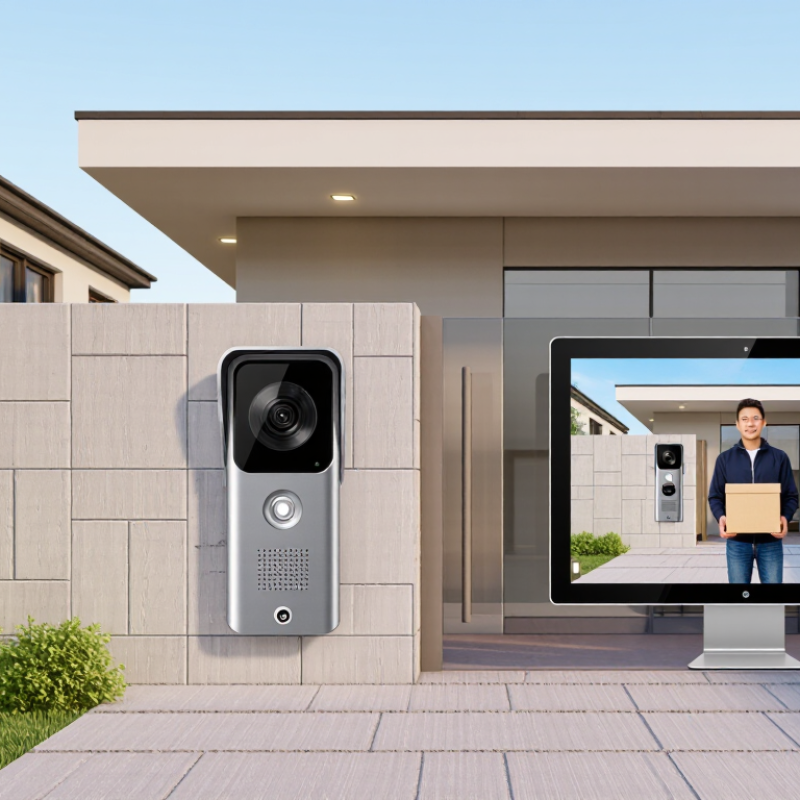
A wireless door video phone is an entry communication system that lets a resident see and speak with a visitor without relying on a dedicated signal cable between every device. The outdoor unit usually combines a camera, microphone, speaker, and call button. Indoors, a monitor or compatible phone displays the visitor and carries the conversation. A wireless connection links these parts. It may use a home network or a dedicated radio signal, depending on the design.

The camera captures the doorway, while the microphone and speaker handle two-way audio. An indoor screen shows the live image and may provide buttons for answering or controlling a compatible door release. Some systems include motion alerts, night lighting, or local recording. Useful details matter: check the camera’s viewing angle, signal strength through walls, and how the equipment is powered. “Wireless” can be misleading. The devices may still need power cables, and a weak network can delay video or audio. That distinction is easy to miss. A practical installation should be tested from the rooms where residents actually answer calls, not only beside the router.
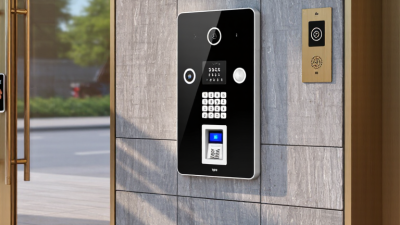
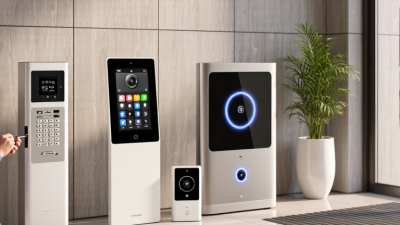
China’s Wireless Door Video Phone Manufacturing Landscape

China’s wireless door video phone manufacturing landscape brings together camera modules, compact displays, wireless communication parts, batteries, and molded housings. Many production areas support several of these steps, while some firms focus on assembly or component sourcing. This creates flexibility for different screen sizes and installation needs. It also makes supplier capabilities worth checking carefully.

A typical device must deliver a clear image at the entrance, maintain a usable connection indoors, and run reliably between charges. Concrete walls and metal doors can weaken wireless signals, so range claims should be tested in realistic layouts. Factory checks may include image review, connection stability, button response, charging behavior, and repeated use. Small details matter: a loose connector or poorly sealed housing can cause trouble later.

This is where the picture gets less tidy. Product samples can perform well in a quiet test room but behave differently in a busy apartment building. Buyers can ask how suppliers document tests, handle component changes, and trace production batches. These questions reveal more than a polished specification sheet. Manufacturing capacity is important, but consistent inspection and honest reporting deserve equal attention. Some trade-offs remain, especially between battery life, screen brightness, and device size.

Leading Wireless Door Video Phone Manufacturers in China

Leading wireless door video phone manufacturers in China serve residential, apartment, and small commercial projects. Strong suppliers typically offer indoor monitors, outdoor camera stations, wireless connection options, and practical installation guidance. Buyers should check image clarity, night visibility, call delay, and performance through walls. A clear picture matters.

Ask how products behave in a real building, not only in a showroom. Thick concrete walls can weaken wireless signals, while busy shared networks may cause delays. Request test results, operating temperature ranges, warranty terms, and documentation for installation and maintenance. These details help distinguish dependable production from attractive specifications.

Manufacturing capability also matters. Look for consistent quality checks, traceable components, and clear communication about customization and lead times. If possible, test a sample between an entrance panel and an indoor monitor, with doors closed and normal household devices running. Listen for dropped audio. Check the screen in dim light. No single test proves long-term reliability, and supplier claims deserve careful verification. Some product sheets are vague; that is a reason to ask sharper questions, not assume the worst. The most suitable manufacturer is one that explains limitations honestly and supports the system after delivery.

Top Wireless Door Video Phone Manufacturers in China - Leading Wireless Door Video Phone Manufacturers in China

The table below summarizes common product configurations and supplier evaluation points. Specifications vary by model and should be confirmed against the product datasheet and sample.

Evaluation Dimension Common Configuration or Range Practical Verification Point
Video resolution 720p or 1080p are common product options Confirm the actual encoded resolution, frame rate, and image quality in day and low-light conditions.
Wireless connectivity 2.4 GHz Wi-Fi is widely supported; 5 GHz support is model-dependent Check supported Wi-Fi bands, setup requirements, and performance through the intended walls and doors.
Indoor display size Compact monitors and larger touch displays are available; sizes vary by product design Request the display’s diagonal size, resolution, viewing angle, and mounting dimensions.
Outdoor-station power Battery-powered and wired configurations are both offered Confirm battery type or required DC input, charging method, and expected usage conditions.
Night visibility Infrared illumination is a common option for low-light viewing Test face visibility at the intended distance and check whether night mode switches automatically.
Weather protection Outdoor models may carry ingress-protection ratings such as IP54 or IP65 Ask for the rating test documentation for the complete assembled outdoor unit, not just an individual component.
Recording and storage Cloud recording, local storage, or both may be available depending on the model Confirm storage media compatibility, subscription requirements, retention settings, and privacy controls.
Calling and notifications Two-way audio and mobile notifications are common smart-system features Verify app availability in target markets, notification behavior, audio clarity, and multi-user support.
System compatibility Standalone kits and app-connected systems are common product types Check compatibility with existing wiring, chimes, door locks, mobile operating systems, and network setup.
Supplier quality checks Request documented inspection procedures for function, wireless connection, audio, and outdoor-unit sealing Review sample inspection records, defect handling, warranty terms, and batch traceability before placing an order.
Compliance and export readiness Required approvals depend on the destination market and radio configuration Request applicable test reports and verify that certificates cover the exact model and sales region.

Key Technologies and Product Features

Top Wireless Door Video Phone Manufacturers in China

Key technologies shape how a wireless door video phone performs after installation. Many systems combine a camera, indoor monitor, and wireless connection to a home network. Look for clear resolution, useful night vision, and a wide viewing angle that captures visitors standing close to the door. Motion alerts can help, but overly sensitive settings may send repeated notifications when leaves move or headlights pass. Small details matter. Two-way audio should remain understandable when traffic or wind is audible outside.

Wireless performance depends on more than the advertised range. Thick concrete walls, metal doors, and router placement can weaken the signal, so test the connection at the intended mounting points. A responsive system should display a visitor without a long delay. Check whether recordings use local storage or cloud access, and review how settings control data retention. Weather-resistant housings and stable power options also deserve attention, especially for exposed entrances. Battery models may be simpler to install, though frequent charging can become inconvenient. Specifications help compare products, but they do not replace a real signal test. A polished feature list can still leave practical questions unanswered.

Top Wireless Door Video Phone Manufacturers in China — Key Technologies and Product Features

Video resolution is one of the key specifications of a wireless door video phone. The chart compares common resolution formats by approximate pixel count; values are calculated from the listed image dimensions and do not represent manufacturer market data.

How to Compare Manufacturers and Select a Supplier

When comparing wireless door video phone manufacturers in China, look beyond catalogue photos. Grand View Research valued the global smart doorbell market at USD 2.26 billion in 2023 and forecasts 13.1% annual growth from 2024 to 2030. MarketsandMarkets estimated the broader smart home market at USD 101.7 billion in 2023. These figures indicate expanding demand, but market growth does not prove a supplier’s product quality.

Request a sample and test it at the intended installation distance. Check video delay, night images, two-way audio, Wi-Fi reconnection, and battery life under repeated use. Ask for documented test procedures, component traceability, production inspection records, and a clear firmware-update policy. Small details matter. A polished demo can hide weak performance through a wall or in poor lighting.

Compare quotations by configuration, not headline price. Confirm included accessories, customization charges, minimum order quantity, lead time, warranty coverage, and response times for technical support. Ask how defects are recorded and resolved, then verify the process with a pilot order. No scorecard catches everything; app reliability can change after updates, and supplier answers may be more confident than their evidence. Industry reports also use different market definitions, so treat forecasts as context, not purchase guarantees.