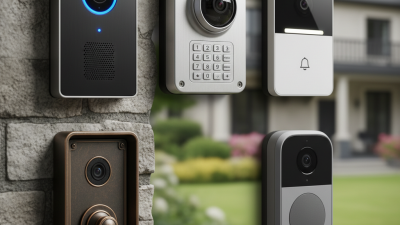
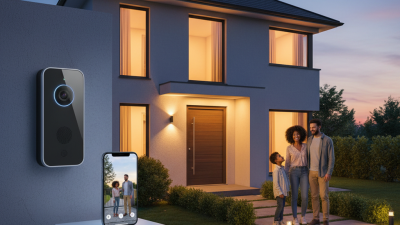
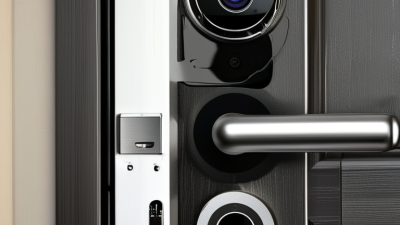
Choosing an intercom with a camera can feel simple until prices begin to diverge. A basic wired unit may cost under $100. A connected model with mobile access, night vision, and remote unlocking can exceed $500. Installation may add another $100 to $600, depending on wiring and building structure. The real Intercom With Camera Price depends on more than the screen and lens.
Industry research shows why demand is growing. Grand View Research identifies smart doorbells and connected entry devices as expanding markets, driven by home security and smartphone control. Parks Associates has also reported rising video doorbell adoption among United States internet households. These findings suggest a practical shift: buyers increasingly expect visitor images, two-way audio, and event notifications. However, market reports often combine doorbells, surveillance cameras, and intercom systems. Direct price comparisons can therefore be imperfect.
A reliable evaluation should separate equipment, installation, software, and long-term support. Look closely at video resolution, low-light performance, weather protection, storage fees, and integration with existing access controls. A sharp image at noon means little if the visitor becomes a blur at night. That happens.
Professional installers usually check cable distance, power availability, network strength, and door-lock compatibility before recommending a system. Manufacturer specifications and independent testing deserve equal attention. The cheapest product may require paid cloud storage or proprietary replacement parts. A higher initial price may provide stronger durability and fewer service surprises. This guide examines those trade-offs, using published industry research and practical installation considerations. It does not treat one price as universally correct. Buildings differ, and budgets do too.
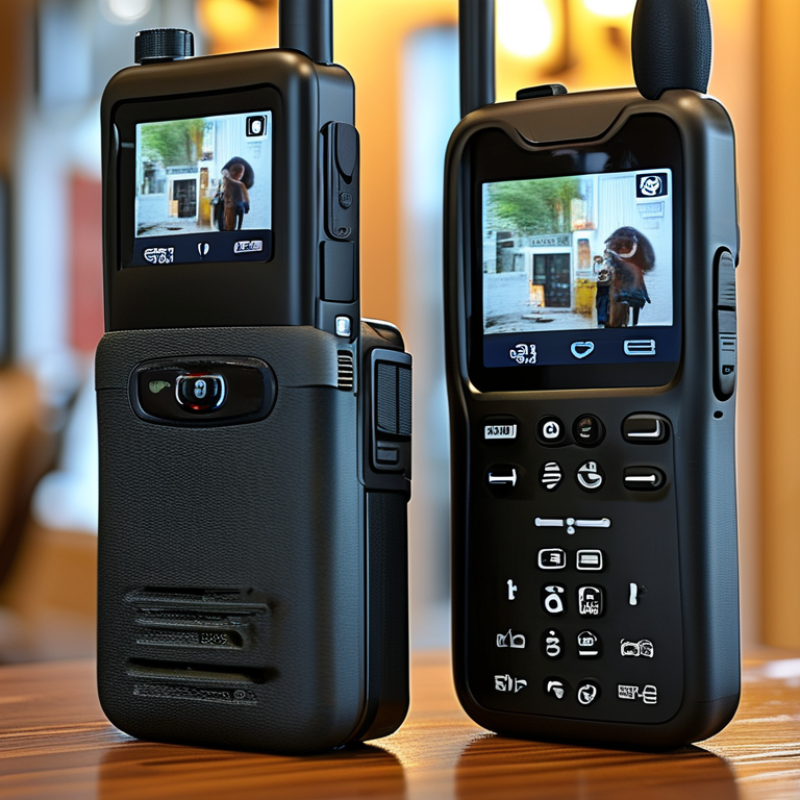
A camera intercom combines a door camera, microphone, speaker, and access control in one communication system. It allows residents or staff to see and speak with a visitor before opening the door. When someone presses the call button, the camera sends a live image to an indoor monitor or connected phone. The microphone carries the visitor’s voice, while the speaker provides a reply. Many systems also include night vision, motion detection, and video recording.
The basic process is simple. A visitor calls, the camera captures the scene, and the resident decides whether to respond. If access is appropriate, the resident can release an electric lock through the screen or app. Wired models usually provide stable connections and predictable performance. Wireless models are easier to install, but thick walls and weak signals can cause delays. Power failure is another practical concern. A backup supply may be necessary.
The price of an intercom with camera depends on camera quality, installation difficulty, storage, and access-control features. A small home system may cost less than a multi-entrance building system. Installation can also exceed the hardware cost. In real use, clear audio often matters more than an extremely sharp image. That detail is easy to overlook. I would also avoid assuming every mobile feature is essential. A reliable door call with readable video may serve better than a complex system that users rarely understand.
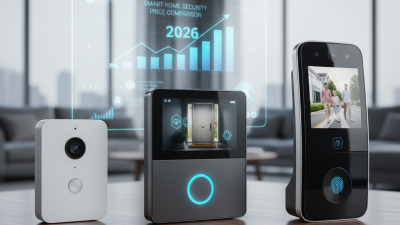
A camera intercom can cost far more than a standard audio unit. The camera itself is only one price factor. Image resolution, night vision, and viewing angle often change the total cost. A wide-angle lens can show a delivery area clearly, but it may require better image processing. Infrared night vision adds value near dark entrances. Cloud recording can also increase monthly expenses, while local storage may need a memory card or recorder.
Tips: Check the full system cost, not only the outdoor panel. Ask whether installation, wiring, storage, and software access are included. In my experience, weak Wi-Fi causes more frustration than a modest camera. Test the signal at the gate before choosing expensive features. Keep the monitor away from direct sunlight. It improves screen visibility.
Security features affect price, too. Motion alerts, two-way video, visitor snapshots, and remote unlocking require additional hardware or software. Tamper detection and weather resistance can raise the initial price, but they matter for exposed entrances. A metal housing may survive rain and repeated use better than a lightweight enclosure. However, higher cost does not always mean better reliability. Some advanced functions remain unused in small homes. That is where my own judgment can be imperfect. I once valued resolution more than audio clarity, then noticed visitors were difficult to understand. A practical system should balance camera detail, voice quality, installation needs, and long-term maintenance.
A camera intercom can cost from about $300 to more than $5,000, depending on its design. A basic wired video unit usually costs $300–$800 per entrance, including standard installation. It suits a small house with short cable runs. Wireless units often cost $250–$700, but batteries, network strength, and subscription services can change the final bill. HomeAdvisor’s 2024 cost guide places broader intercom installation projects near $1,000–$7,000, especially when several rooms or doors are connected.
IP camera intercoms typically range from $600–$1,500 per entrance. They use existing network cabling, remote management, and higher-resolution video. For apartments, offices, or gated properties, a multi-tenant system can reach $1,500–$5,000 per entrance. Extra monitors, access readers, elevator controls, and structured cabling raise the price quickly. MarketsandMarkets reported continued growth in the global video intercom market in its 2024 industry analysis, reflecting stronger demand for networked security systems. Growth does not mean every installation needs advanced hardware.
A practical site check matters more than a web estimate. Measure cable distance, wall material, power availability, and the number of indoor stations. A concrete wall can add hours of labor. My experience suggests that buyers often compare device prices and overlook installation complexity. That mistake is expensive. Published ranges are useful, but they are not promises. Local labor rates and building conditions can shift the final quote by hundreds of dollars.
An intercom with a camera may cost more than the unit price suggests. Installation can add 30% to 100% of the equipment cost, depending on the building. Existing wiring keeps labor lower. Brick walls, long cable runs, and multiple entrances increase the bill. Power supplies, network equipment, door-release hardware, and weather protection may also require separate charges.
Experienced installers usually inspect the entrance before giving a fixed estimate. They check cable routes, Wi-Fi strength, electrical access, and compatibility with the door lock. A small office may need only a few hours of labor. A larger property could require several visits and new conduit. Budgets are rarely exact. Hidden wall damage or outdated wiring can change the final cost, so a written scope matters.
Tips: Ask for labor, materials, testing, and call-out fees as separate lines. Keep a small contingency fund.
Maintenance is usually modest but should not be ignored. Clean the camera lens every few months, test the microphone, and inspect exposed cables for moisture or wear. Software updates may improve security and reliability. Battery-backed systems also need battery testing and replacement. Some owners postpone servicing until the image fails. That approach can create a larger repair bill. A realistic plan includes one professional inspection each year, especially in dusty, coastal, or heavily used entrances. Even then, maintenance estimates can be imperfect because usage and weather vary.
Typical first-year costs for camera intercom systems in the United States, including equipment, professional installation, and maintenance.
Estimated mid-range costs are shown in U.S. dollars. Final prices vary according to door count, wiring requirements, network upgrades, access-control integration, labor rates, and service coverage. Annual maintenance may include inspections, software updates, troubleshooting, and replacement of minor components.
Choosing a camera intercom within your budget starts with the whole installation, not only the advertised unit price. A basic indoor model may cost around $80 to $180, while weather-resistant systems with night vision can exceed $300. Installation, wiring, power supplies, and network equipment may add another $100 to $400. Prices vary by region.
Look beyond the screen size. A clear 1080p image, infrared night vision, two-way audio, and motion alerts are useful for daily security. However, cloud storage can create recurring fees, so check local storage options before buying. For a small apartment, a simple wired model may offer better value than an advanced network system. Homes with a gate may need a wider viewing angle and stronger weather protection. Check the rating.
Ask an installer to inspect cable distance, wall materials, and power access before you order. A cheaper wireless unit can become expensive when its signal drops through concrete walls. I once underestimated this issue during a renovation, and the camera needed an extra access point. That mistake was avoidable. Leave some budget for replacement cables, surge protection, and future repairs. Also compare warranty length, privacy controls, and the availability of technical support. The lowest price is not always the lowest cost.
| Camera Intercom Type | Typical Equipment Price | Typical Installed Cost | Video Quality | Common Features | Best For | Budget Considerations |
|---|---|---|---|---|---|---|
| Basic Wired Video Doorbell | $50–$150 | $100–$300 | 720p or 1080p | Two-way audio, doorbell button, infrared night vision, indoor monitor or mobile connection | Apartments, small homes, and single-entry doors | Usually the lowest-cost option, but wiring and professional installation may increase the final price. |
| Wi-Fi Smart Video Intercom | $100–$300 | $150–$450 | 1080p or higher | Mobile alerts, remote answering, motion detection, night vision, cloud or local recording | Homeowners who want remote access through a smartphone | Check whether cloud recording requires a monthly subscription and confirm reliable Wi-Fi at the entrance. |
| Wired IP Video Intercom | $250–$700 per entrance | $500–$1,500 per entrance | 1080p to 4K | Power over Ethernet, multiple indoor stations, access control integration, local network recording | Large homes, offices, and properties requiring stable connectivity | Installation can require Ethernet cabling, network configuration, and compatible door-lock hardware. |
| Multi-Unit Video Intercom System | $1,000–$5,000 per building entrance | $2,500–$10,000 per entrance | 1080p or higher | Resident directories, multiple indoor monitors, visitor management, electronic door release, audit records | Small and medium-sized residential buildings | Costs depend on the number of units, indoor stations, cabling distance, and integration with existing locks. |
| Commercial Video Intercom and Access Control System | $1,500–$8,000 per entry point | $4,000–$15,000 per entry point | 1080p to 4K | Credential access, visitor verification, event logs, tamper detection, centralized administration | Offices, warehouses, schools, and controlled commercial facilities | Professional design, security policies, user management, and integration with existing access systems add to the cost. |
| Long-Range or Weather-Resistant Intercom | $300–$1,200 | $800–$3,000 | 1080p or higher | Wide-angle camera, infrared night vision, weather protection, long-distance communication, reinforced housing | Gates, driveways, detached entrances, and exposed outdoor locations | Trenching, long cable runs, outdoor power supplies, and protective mounting can substantially affect installation costs. |