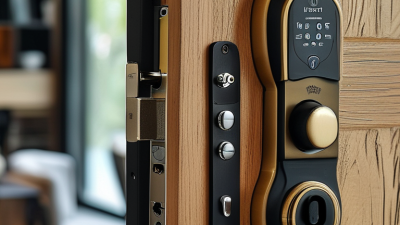
How to Choose the Best Smart Wifi Security Doorbell?
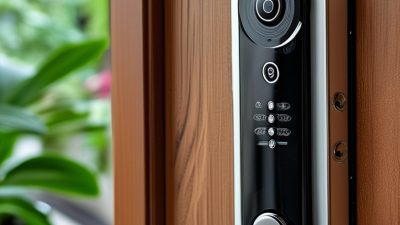
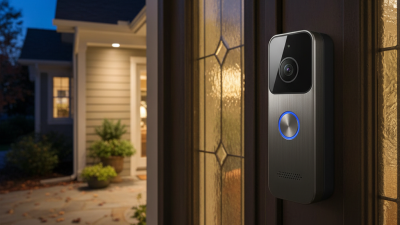
Choosing the best Smart Wifi Security Doorbell is essential for enhancing home safety. With numerous models available, making an informed choice can be challenging. A reliable doorbell not only offers security but also adds convenience to your daily life.
When selecting a Smart Wifi Security Doorbell, consider factors like video quality, field of view, and ease of installation. Many products boast high-definition cameras and night vision. However, the best option may not always be the one with the most features. Battery life is another crucial aspect to keep in mind. A model with a short battery life might frustrate you in the long run.
Evaluate user reviews and expert recommendations. Look out for common feedback regarding connectivity issues or customer service experiences. Finding a well-reviewed doorbell can save you from future headaches. Trust your instincts and don't hesitate to reflect on your unique needs and preferences. Your home deserves a doorbell that genuinely enhances your security experience.
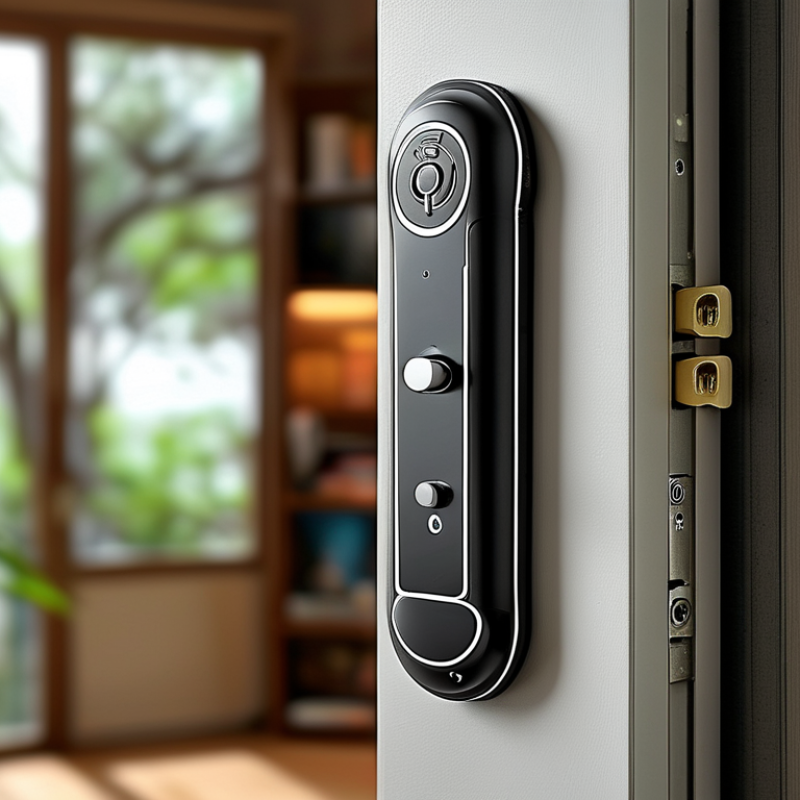
Understanding Smart Wifi Security Doorbells: Key Features to Consider
When looking to buy a smart Wi-Fi security doorbell, several features are essential to consider. Video quality is a significant factor. Opt for doorbells that provide at least 1080p HD cameras. This ensures clear video feeds. Night vision capability is also crucial. Many incidents occur after dark. A doorbell with good low-light performance can be a game changer.
Audio features shouldn't be overlooked. Two-way audio allows you to communicate easily with visitors. This can help deter unwanted guests. Look for doorbells that enable quick response with pre-recorded messages. Battery life and connectivity are also important. Ensure your doorbell can remain connected to your Wi-Fi network without frequent interruptions. Poor connectivity can render your doorbell useless when you need it most.
Consider additional features that enhance functionality. Some doorbells offer motion detection with customizable zones. This can help reduce false alerts. Cloud storage for video recordings is another valuable feature, allowing you to review footage anytime. Remember that more features may come with a price tag. Assess which features are necessary for your needs. Balancing quality and price is key when making your choice.
Evaluating Video Quality: Resolution, Field of View, and Night Vision
When choosing a smart Wi-Fi security doorbell, video quality is paramount. The resolution significantly influences how clearly you can see visitors. High-definition options, such as 1080p, provide crisp images. However, lower resolutions may still suffice for basic monitoring. Think about your needs—do you require details like facial features or just a general view?
Field of view is another critical factor. A wider angle captures more of your porch or entryway. Typically, a range from 140 degrees to 180 degrees is ideal. Some models may promise wide coverage but fail to deliver. Testing viewing angles before purchase can save disappointment later on.
Night vision capability also plays a significant role. Infrared technology allows you to see in low light. Some products boast color night vision, but this can be less reliable. It's essential to assess how different models perform in various lighting conditions. Gathering this experience is key to making an informed decision. Keep in mind, each feature has trade-offs.
Assessing Connectivity: Wi-Fi Range, Functionality, and Compatibility
When selecting a smart Wi-Fi security doorbell, assessing connectivity is crucial. The Wi-Fi range determines how effectively the device can communicate with your home network. A poor signal may result in lagging video streams or missed notifications. Look for models that indicate their range in feet or meters. Placing your router strategically can enhance performance, but this may not always solve issues in larger homes.
Functionality is closely linked to connectivity. Consider how the doorbell integrates with other smart home devices. Compatibility with your existing ecosystem simplifies usage. Some doorbells work best with specific security systems or voice assistants. Ensure the doorbell supports protocols that match your current setup. Testing compatibility might require visiting forums or product reviews, which can take time.
Wi-Fi connectivity can be affected by various factors. Obstructions like walls or furniture often weaken signals. Even the type of Wi-Fi network—2.4GHz or 5GHz—plays a role. While 5GHz offers higher speeds, it has a shorter range. Consider balancing speed and range based on your home layout. It’s worth reflecting on any past experiences with Wi-Fi devices; that insight can guide your decision.
Analyzing Installation and Setup: Wired vs. Wireless Options
When considering smart Wi-Fi security doorbells, the installation method is crucial. Wired options typically provide a stable connection and require less frequent battery maintenance. However, they demand professional installation or advanced DIY skills. This complexity can deter some users. Proper wiring also requires consideration of existing doorbell systems, which might complicate the process.
On the other hand, wireless doorbells offer flexibility. They can be installed virtually anywhere, requiring only Wi-Fi access. This simplicity is appealing, especially for renters or those who prefer not to deal with wires. However, wireless models rely heavily on battery life and Wi-Fi signal strength. If the Wi-Fi signal is weak or the batteries die, the system becomes ineffective. Users should evaluate their home’s layout to ensure strong connectivity.
Both types present benefits and challenges. Wired systems promise reliability, while wireless options boast convenience. It’s essential to weigh these factors against personal preferences and technical skills. Reflecting on these elements can lead to a more satisfactory choice in securing your home.
Exploring Cost and Subscription Plans: Balancing Budget with Features
When choosing a smart WiFi security doorbell, the cost is a significant factor. Many models offer a variety of features, but understanding your budget is essential. Some devices need subscription plans for full functionality, while others can work without one. Basic models may provide HD video and two-way audio without ongoing fees. If you're keen on advanced features like cloud storage or smart integrations, be prepared for monthly costs.
Shop around to find a balance between features and your budget. Look broadly at the functionalities that matter most to you. For instance, do you need motion detection alerts? Or perhaps facial recognition? Those features could increase the overall price. Assess whether you will use them enough to justify the expense.
It's important to think about long-term costs, too. Subscription services might seem reasonable initially. However, those fees can add up over time. Consider if a device’s upfront cost offsets the need for a plan. Evaluating both immediate and future expenses will lead to a more informed decision. Aim to invest in a doorbell that meets your security needs while remaining within a sustainable budget path.
Comparison of Smart Wifi Security Doorbell Features and Costs