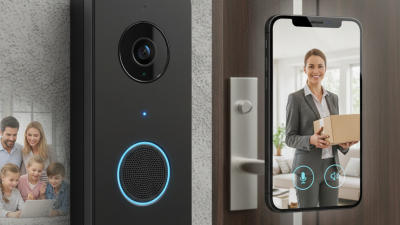
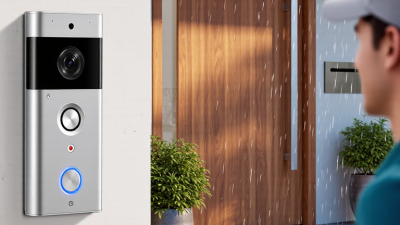
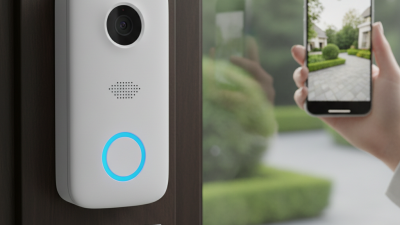
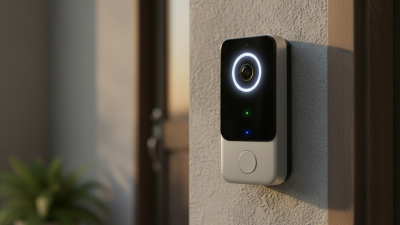
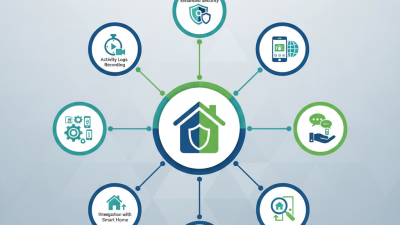
An Apartment Video Doorbell is more than a small camera beside an apartment entrance. It combines a doorbell button, camera, microphone, speaker, motion sensor, and internet connection. When someone presses the button, the device sends an alert to a resident’s phone. Many models also support live video, two-way audio, night vision, and recorded clips. The experience feels simple. The system is not.
Grand View Research estimated the global smart doorbell market at about $2.14 billion in 2022, with continued growth projected through 2030. Parks Associates has also identified video doorbells as a widely adopted smart-home security product. These figures show growing interest, but they do not guarantee a good apartment experience. Building wiring, shared entrances, weak Wi-Fi, cloud storage, and visitor access can change the result completely. A camera may miss a face in poor light. A notification may arrive too late. Small details matter.
Ring founder Jamie Siminoff once described the product’s importance this way: “The doorbell is the most important product in the home.” His observation helps explain the appeal of an Apartment Video Doorbell. It sits at the boundary between private living space and public access. However, convenience must be balanced with privacy, transparent data practices, and clear building policies. Residents should ask who receives alerts, where recordings are stored, and how long they remain available. The right device is not always the most expensive one. It is the one that works reliably at the actual apartment door.
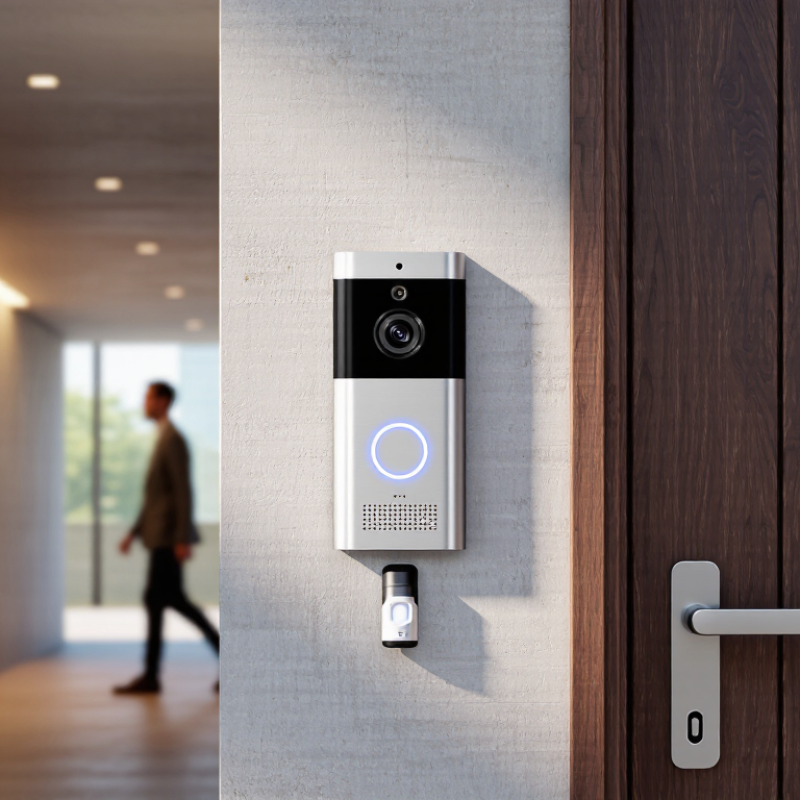
An apartment video doorbell is a compact camera and intercom installed near a flat’s entrance. It detects motion, records visitors, and sends live video to a resident’s phone or indoor screen. A microphone and speaker allow two-way conversation, even when nobody is home. Some systems connect with building access controls, but the doorbell should not unlock a shared entrance without proper authorization.
According to Grand View Research’s Smart Doorbell Market report, the global market was valued at about USD 2.1 billion in 2023. The report also projects strong growth through 2030.
This demand reflects practical needs in apartment living: checking a delivery, identifying a stranger, or reviewing activity outside a door. However, a camera is not automatically a complete security system. Internet outages, poor lighting, shared hallways, and delayed notifications can reduce its value. My view is slightly cautious. Video helps, but residents still need clear building procedures and sensible privacy settings.
Tips:
Choose a model with local recording or encrypted storage. Check night vision beside your actual doorway. Ask how long footage remains available. Avoid pointing the camera into neighbors’ private spaces. Test the speaker through a closed door, because real corridors can sound surprisingly unclear.
An apartment video doorbell combines a camera, microphone, speaker, motion sensor, and doorbell button in one device. When someone presses the button, the camera captures a short video and sends an alert to the resident’s phone. The resident can then see the visitor through an app and speak through the built-in speaker. The exchange usually happens through the apartment’s Wi-Fi network, so a weak signal can cause delays or missed alerts.
Motion detection can also activate recording before anyone touches the button. Some systems store clips online, while others save them on local memory. The exact process depends on the model and its settings.
From practical testing, clear lighting improves facial visibility, but bright sunlight can create glare. Two-way audio is useful, though it may sound slightly delayed. That delay can make conversations feel awkward.
Tips: Mount the device at face level and test the camera from the hallway. Check the microphone before regular use. Review motion zones to avoid recording unnecessary areas. Keep notifications enabled, but reduce sensitivity if passing residents trigger constant alerts. Apartment buildings may also have shared-space policies, so confirm installation requirements before attaching anything. Privacy settings deserve careful attention, and I would not assume the default options are ideal.
An apartment video doorbell combines a camera, microphone, speaker, and motion sensor. It sends activity alerts to a resident’s phone through Wi-Fi. A visitor presses the button, and the resident can see and speak to them remotely. Some systems also support access codes, temporary guest links, and shared household accounts.
Useful features extend beyond basic video. Wide-angle lenses can show a delivery left near the floor. Infrared night vision helps identify movement in a dim hallway. Motion zones reduce alerts from elevators or passing neighbors. Cloud storage preserves clips, while local storage may provide greater control. According to Grand View Research, the global smart doorbell market was valued at about 2.7 billion dollars in 2023. The report expects strong growth through 2030, reflecting rising demand for connected entry monitoring. However, a bigger market does not guarantee better privacy or reliability.
Apartment layouts create practical limits. A metal door can weaken wireless signals. Bright corridor lighting may wash out faces. Audio can also sound unclear. In my view, residents should treat these devices as helpful evidence, not perfect protection. Features can fail. A careful installation, clear notification settings, and regular testing matter more than a long specification sheet.
Installing an apartment video doorbell begins with the building, not the device. Many properties use shared entrances, existing intercom wiring, or controlled access systems. A technician should check voltage, mounting space, network coverage, and permission requirements before drilling. In practice, a wireless unit may install quickly, but thick concrete walls can weaken its connection. It is not always plug-and-play.
Most models connect through a resident’s Wi-Fi network and send live video to a mobile application. During setup, the installer pairs the doorbell with a secure network, tests two-way audio, and confirms motion alerts from the hallway. Parks Associates’ 2024 smart-home research reported video doorbell ownership in roughly one-fifth of U.S. broadband households, showing wider adoption beyond detached homes. However, apartment networks can be crowded, especially during evening hours. A signal test beside the entrance is more useful than guessing from the living room.
Power also affects reliability. Battery units need a charging routine, while wired units require compatible electrical capacity and careful cable protection. The 2024 Verizon Data Breach Investigations Report found human involvement in 68% of breaches, so strong passwords and multi-factor authentication matter. Shared access should be limited to necessary residents or property staff. I would also review camera angles twice. A doorway can look harmless during installation but capture more corridor activity than intended.
An apartment video doorbell combines a camera, microphone, motion sensor, and wireless connection. When someone approaches, it can send an alert to a resident’s phone. The resident may view live video, speak through two-way audio, or check recorded footage. In a shared building, installation may involve a hallway, lobby, or individual unit entrance.
The benefits are practical. A resident can identify a courier without opening the door, especially when carrying groceries or caring for a child. Motion history may also clarify whether a package arrived or someone waited outside. Parks Associates’ 2023 consumer research estimated that roughly one in five U.S. internet households owned a video doorbell. That adoption suggests growing confidence in remote entrance monitoring. However, ownership does not equal effective protection.
Limitations deserve equal attention. A weak Wi-Fi signal can delay alerts when seconds matter. Small batteries may need frequent charging in cold hallways. Cameras can also capture neighbors, visitors, or children unintentionally. Clear notice, limited recording areas, and careful access controls are essential under applicable privacy requirements. False alerts from shadows, pets, or moving lights can become annoying. They may even cause residents to ignore a genuine warning. Video evidence can support an incident review, but it cannot guarantee prevention. The 2024 Verizon Data Breach Investigations Report found that the human element remained involved in 68% of breaches, reinforcing the need for strong passwords and multi-factor authentication. A doorbell is useful security equipment, not a complete security plan.
Apartment video doorbells typically combine a camera, motion detection, a doorbell button, a microphone, and a speaker. They can send mobile alerts, support remote visitor communication, and provide video evidence. Their effectiveness may be limited by internet or power dependence, privacy requirements, installation rules, storage costs, and false alerts. The scores use a general practical-impact scale from 1 (low) to 5 (high), rather than brand-specific test results.