What is a Wired Doorbell Camera and How Does It Work?
In today's digital age, security is a top priority for many homeowners. A Wired Doorbell Camera is a cutting-edge solution. It combines the functionality of a traditional doorbell with advanced surveillance features. This device connects directly to your home’s electrical system, ensuring constant power and reliability.
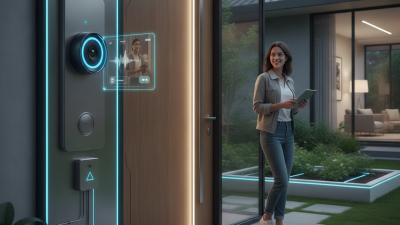
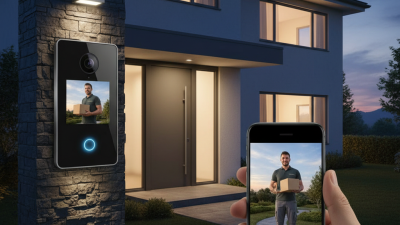
With a Wired Doorbell Camera, you can easily monitor visitors. When someone approaches your door, it activates and sends a notification to your smartphone. The camera provides a live video feed, allowing you to see and communicate with anyone at your door. This enhanced security measure offers peace of mind to homeowners.
However, like any technology, it has its challenges. Installation can be complex, especially for those unfamiliar with electrical work. Additionally, reliability can vary based on internet connectivity. It's essential to weigh the advantages against the potential drawbacks. Understanding the nuances of a Wired Doorbell Camera is crucial for making an informed decision.
What is a Wired Doorbell Camera?
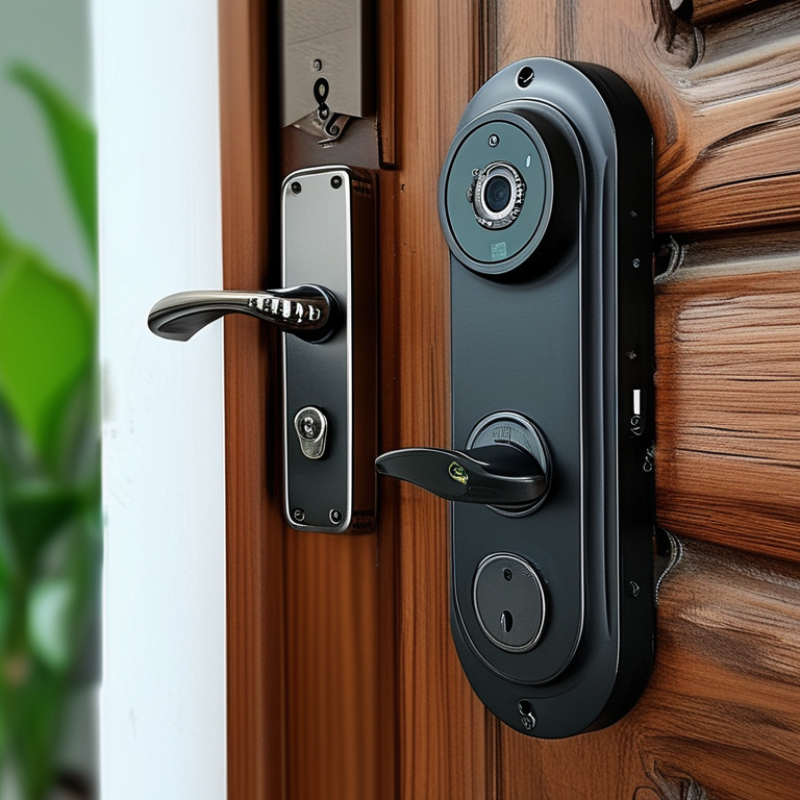
A wired doorbell camera is a security device that connects directly to a home's wiring system. This type of camera provides a reliable power source, eliminating the need for batteries. Many homeowners prefer wired options due to their constant power supply and often superior video quality. According to a report by MarketsandMarkets, the home security market is anticipated to reach $74 billion by 2023, indicating a growing interest in devices like wired doorbell cameras.
These devices typically feature high-definition video capabilities, night vision, and two-way audio. This allows homeowners to see and communicate with visitors remotely. The technology can enhance home security significantly, providing peace of mind. However, installation can be complicated. Many users report challenges in connecting the camera to their existing doorbell wiring. Some experience connectivity issues, which require troubleshooting. Data from TechCrunch indicates that approximately 30% of smart device users encounter setup difficulties. This highlights the importance of reliable installation guides and customer support.
In addition to security benefits, wired doorbell cameras offer convenience. They often integrate with home automation systems. This can enhance the overall smart home experience, making daily routines easier. However, prospective buyers should consider compatibility with their existing systems. With technology advancing rapidly, continual updates might also be necessary. That could raise concerns about long-term usability and support, making informed decisions crucial for potential buyers.
Key Components of a Wired Doorbell Camera
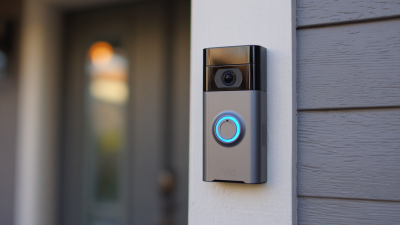
A wired doorbell camera is an innovative device that enhances home security. It functions by connecting to your home's electrical system, allowing for continuous power and reliable performance. This type of doorbell camera typically features a lens, a motion sensor, and two-way audio capabilities.
Key components of a wired doorbell camera include the camera unit, which offers high-definition video. Many devices provide a wide-angle view, capturing the entire entryway. Advanced models include night vision, making it easier to see at night. The motion sensor detects movement and triggers notifications on your smartphone, ensuring that you are alerted of any activity.
Tips for installation: Ensure the camera is positioned at a height of about four to five feet. This angle provides the best field of view. Additionally, check your Wi-Fi signal strength if your camera has smart features. In case of weak signals, consider using a Wi-Fi extender.
Consider that wired doorbell cameras can be complicated to install. They require an existing doorbell wiring system and may need professional assistance. This can add to the overall cost. Additionally, not all homes have wiring suitable for these cameras, making installation a hurdle for some homeowners. Always assess your home's setup before purchasing the camera.
How Wired Doorbell Cameras Connect to Your Home Network
Wired doorbell cameras are a reliable option for home security. They connect directly to your home's existing wiring, making installation easier in many cases. The camera typically uses your Wi-Fi network to stream video and send notifications. This set-up provides a constant power source, ensuring that the camera operates without interruption.
To connect a wired doorbell camera to your home network, you first need to link it to your router. Most devices require a secure password to establish a connection. Once connected, you can access the camera feed through an app on your smartphone or tablet. This convenience allows homeowners to monitor their front door from anywhere. However, network issues can occasionally lead to disruptions. Such interruptions can affect the camera's functionality.
Some users may overlook the importance of a strong Wi-Fi signal. A weak connection can lead to lagging video feeds. It’s essential to ensure that your router is positioned within range of the doorbell camera. Environmental factors, such as walls and interference from other devices, can disrupt connectivity. Enhancing your network may require additional equipment, which some may find overwhelming. Balancing security and ease of use is crucial in making the right choice for your home.
What is a Wired Doorbell Camera and How Does It Work? - How Wired Doorbell Cameras Connect to Your Home Network
| Feature |
Description |
Benefits |
| Video Quality |
Typically HD or higher resolution |
Clear images for better identification |
| Power Source |
Wired connection to home electrical system |
Constant power without worrying about batteries |
| Connectivity |
Connects to Wi-Fi for remote access |
Access footage from anywhere via smartphone |
| Two-Way Audio |
Allows communication with visitors |
Interact with delivery personnel or guests remotely |
| Motion Detection |
Alerts when movement is detected |
Increases security by notifying homeowners of activity |
| Storage Options |
Cloud-based or local storage for video footage |
Backup footage is accessible for review |
Understanding the Functionality of a Wired Doorbell Camera
A wired doorbell camera serves as an essential home security device. It combines the functionalities of a traditional doorbell with a video camera. This hybrid device allows homeowners to see and communicate with visitors via a smartphone app or a connected display. According to industry reports, the global market for smart doorbell cameras is projected to reach $5.5 billion by 2025. This growth reflects increasing consumer interest in enhanced home security solutions.
The functionality of a wired doorbell camera relies on a constant power source. Unlike battery-operated models, these cameras are hardwired to the home’s electrical system. This ensures they are always operational, providing continuous surveillance. Wired models often deliver higher video quality and faster response times. Many come equipped with features like motion detection, night vision, and two-way audio communication. In fact, studies indicate that homes with visible security devices, such as doorbell cameras, can deter criminal activity by up to 60%.
Yet, the reliance on a consistent power source can create challenges. Installation might require professional help, especially in older homes. Homeowners must also consider data privacy. Video footage could be vulnerable to hacking if not adequately secured. As technology advances, maintaining these devices and ensuring your home network is safe will demand vigilant attention from users.
Benefits and Limitations of Using Wired Doorbell Cameras
Wired doorbell cameras offer several benefits and some limitations. One key advantage is reliable power. These devices usually connect to existing doorbell wiring. This ensures they don’t run out of battery during critical moments. A consistent power supply improves performance, especially in recording high-definition video. Many users appreciate this feature, as it leads to fewer interruptions.
On the other hand, wired doorbell cameras can be challenging to install. They often require professional help, especially for those unfamiliar with electrical systems. This is a significant downside for many homeowners. Additionally, they may not be suitable for renters or those living in shared spaces. The need for wiring can limit placement options.
While these cameras offer enhanced security, users should consider their specific situations. The reliability and performance are great, yet installation can become a burden. Some homeowners might feel overwhelmed by the installation process. Weighing these pros and cons is crucial before making a decision. Understanding your needs will help you choose the right solution for your home.
Wired Doorbell Cameras: Benefits vs. Limitations
This bar chart illustrates the benefits of wired doorbell cameras based on various factors such as video quality, installation cost, continuous recording ability, reliability, and smart home integration. Each factor has been rated on a scale of 1 to 10, highlighting the strengths and weaknesses associated with wired doorbell camera systems.