What is Video Intercom and How Does it Work?
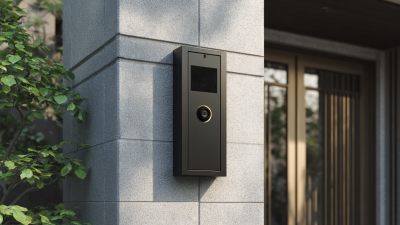
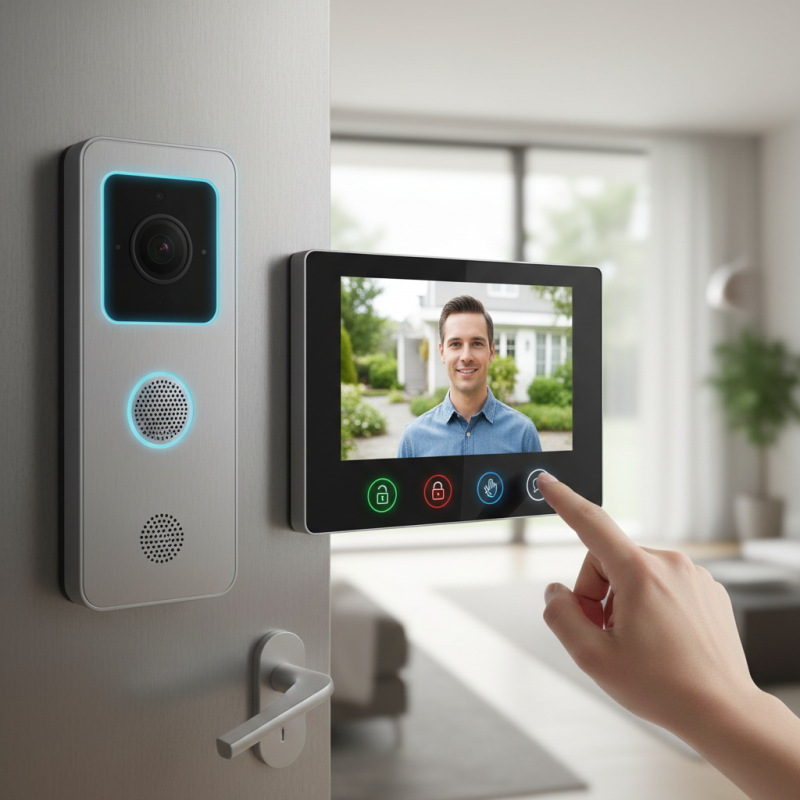
Video intercom systems have transformed the way we communicate at home and in offices. These devices combine video and audio capabilities, allowing users to see and speak to visitors through a screen. They enhance security and convenience by providing visual identification of guests. Video intercom systems offer real-time communication. This means users can interact instantly, ensuring safety before granting access.
Understanding how video intercoms work is crucial. They utilize cameras, microphones, and displays to create a seamless experience. Connection methods can vary, from wired systems to wireless technologies. Each option presents unique advantages and challenges. For instance, wireless systems offer flexibility, while wired versions may provide more stability. However, it's essential to consider installation and maintenance, which can sometimes be complicated or costly.
Choosing the right video intercom system involves careful thought. User needs, preferences, and budget all play a role. Some may prioritize image clarity, while others focus on ease of use. Reflecting on these aspects can help avoid poor choices. Video intercoms are valuable tools, but they require attention to detail for maximum benefits.
What is Video Intercom and Its Role in Modern Security Systems
Video intercom systems play a vital role in modern security frameworks. These devices combine audio and video technology to enhance communication at entry points. Statistics show that homes with video intercoms are 33% less likely to experience break-ins. This is an encouraging figure, highlighting their effectiveness.
Video intercoms empower users to visually identify visitors. They allow for real-time communication, which adds another layer of security. Many systems now integrate with smartphones, providing alerts wherever you are. This connectivity is crucial as reports indicate that 60% of break-ins occur without a forced entry.
Tips: Consider investing in a system with high-definition video quality. This can significantly improve identification capabilities. Also, ensure your intercom has robust security features. These can prevent unauthorized access to your home. Remember, while video intercoms enhance security, they are not foolproof. Regular maintenance and updates are essential. Evaluate current systems and their effectiveness periodically.
What is Video Intercom and How Does it Work? - Role in Modern Security Systems
| Feature |
Description |
Benefits |
| Video Communication |
Allows visual interaction and identification of visitors. |
Enhances security by enabling proper identification before granting access. |
| Two-way Audio |
Enables conversation between the resident and the visitor. |
Facilitates communication without needing to open the door. |
| Remote Access |
Allows users to grant access from anywhere via a smartphone or computer. |
Convenience and flexibility in managing entry points. |
| Integration with Security Systems |
Can be linked to alarms and surveillance cameras. |
Enhances overall security by providing a cohesive system. |
| User-friendly Interface |
Easy to operate for all users, including seniors. |
Promotes usage and reduces the chance of errors. |
Key Components of Video Intercom Systems and Their Functions
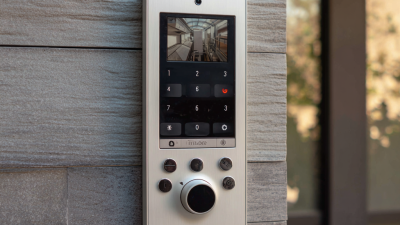
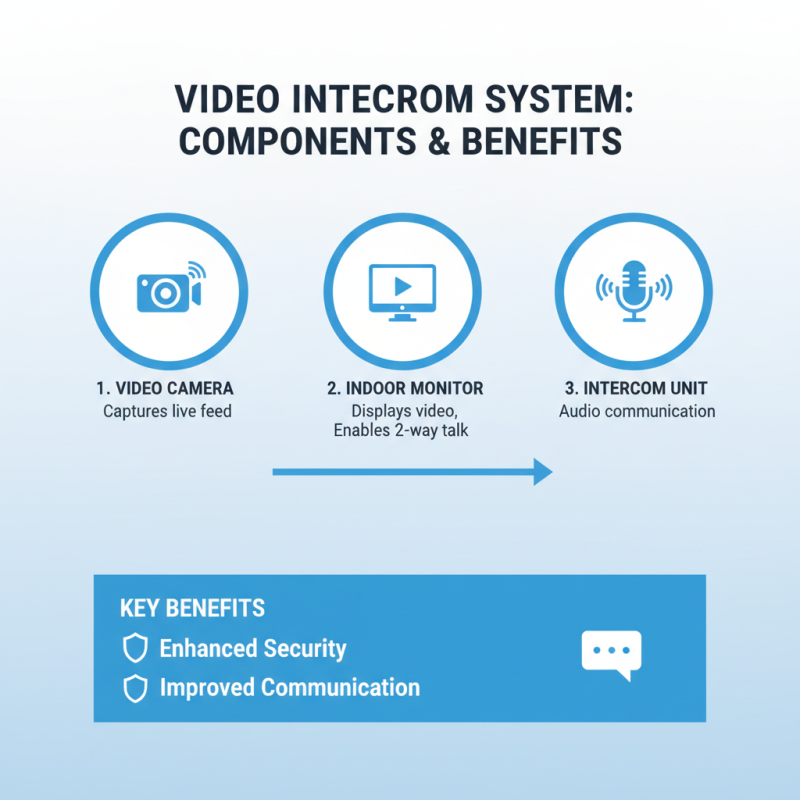
Video intercom systems have become popular for enhancing communication and security in many settings. These systems consist of several key components that work together to provide a seamless experience. The main elements include a video camera, a monitor, and an intercom unit. Each part plays a crucial role.
The video camera captures high-resolution images of visitors. It often includes a night vision feature, ensuring visibility even in low light. The monitor displays the video feed, allowing users to see who is at the door before granting access. This component can come in various sizes, depending on user preferences. The intercom unit facilitates audio communication. It enables conversations without needing to open the door. However, sometimes the audio quality may lag, making conversations difficult.
Power supply units are also essential. They ensure the system runs smoothly. Some may find power interruptions frustrating. Network connectivity is crucial for systems that operate over the internet. Limited bandwidth can affect video quality, leading to pixelated images. Each component's effectiveness ultimately hinges on proper installation and maintenance, yet mistakes can happen. It’s vital to consider these factors for optimal performance while recognizing the hurdles users might face.
How Video Intercom Systems Enhance Communication in Residential Settings
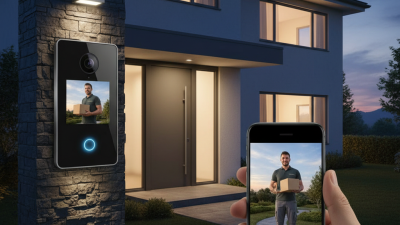
Video intercom systems are transforming communication in residential settings. These devices allow homeowners to see and speak to visitors without opening the door. This technology combines a camera, a speaker, and a monitor. Often, these components are integrated into one unit. Imagine greeting a friend from the comfort of your couch. You can check who is at your door safely.
In residential buildings, video intercoms enhance security. Residents can verify identities visually. This process deters unwanted visitors. However, there may be frustrations. Sometimes, unclear audio or video can lead to misunderstandings. Additionally, privacy concerns arise when neighbors can easily observe others through cameras. Finding a balance between safety and privacy is essential.
Moreover, video intercom systems promote community interaction. Residents can connect with each other through shared technologies. This connection can foster neighborly relationships. Yet, there can also be a sense of isolation. Not everyone may feel comfortable using such systems. Open discussions about these technologies can help improve their use and acceptance in neighborhood settings.
Video Intercom Systems Usage in Residential Settings
Understanding the Technology: How Video and Audio Transmissions Work
Video intercom systems are transforming the way we communicate at our doors. They blend audio and video technologies seamlessly. At their core, video intercoms rely on two main functions: video transmission and audio communication. The video is transmitted through a camera placed at the entrance. This allows homeowners to see who is at their door in real-time. The image quality can sometimes be affected by lighting and camera resolution.
On the audio side, microphones and speakers facilitate clear communication. When a visitor presses the doorbell, the intercom activates. Homeowners can speak and hear the visitor directly through the system. However, technical glitches can occur. Sometimes the sound is muffled or the video feed lags. These issues can lead to misunderstandings or missed connections.
It’s crucial to ensure the wiring and connections are properly set up. Poor installation can hinder performance. Users may also need to consider the distance between the monitor and the entrance. Long distances can weaken signal strength. Overall, understanding these technologies allows for better use of video intercom systems.
Market Trends: Growth Statistics and Future Projections for Video Intercoms
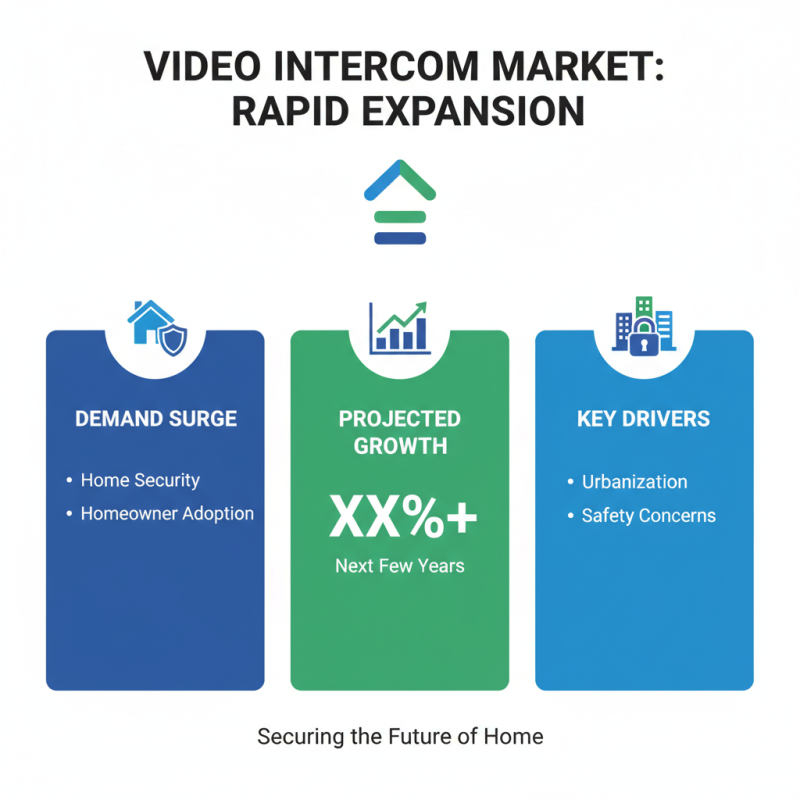
The video intercom market is rapidly expanding. With the rise in demand for home security systems, many homeowners are adopting video intercoms. Statistics show that this market is projected to grow significantly in the next few years. Increased urbanization and safety concerns drive much of this growth.
Recent market reports indicate a compound annual growth rate (CAGR) of around 10%. This suggests that consumers are increasingly investing in comprehensive security solutions. Video intercoms provide real-time visual communication, enhancing security levels. Nevertheless, some users report difficulties in installation and integration with existing security systems. These challenges reveal a need for user-friendly solutions.
Future projections indicate the integration of advanced technologies like AI and machine learning in video intercoms. These innovations promise to improve functionality and efficiency. However, potential users should consider compatibility issues. Not every system works well with traditional setups. Overall, while the market for video intercoms is promising, it comes with challenges that both developers and consumers must address.