What is a Video Doorbell and How Does it Work?
The popularity of the Video Doorbell has surged in recent years. According to a report by Research and Markets, the global video doorbell market is projected to reach $3.2 billion by 2026. This indicates a growing trust in smart home technology. People value security and convenience, and video doorbells offer both.
Video doorbells integrate video and audio communication. They allow users to see and talk to visitors remotely. A study from Parks Associates shows that 28% of U.S. households owned smart doorbells in 2022. This figure highlights a trend toward enhanced home security solutions. These devices provide real-time alerts and recorded video footage, creating a significant security advantage.
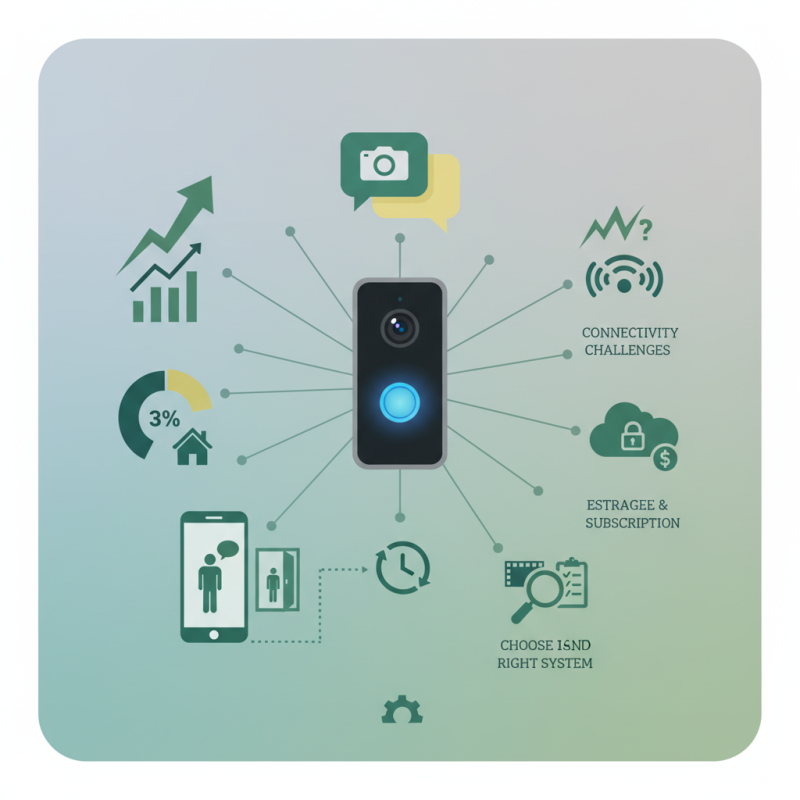
Despite this advancement, challenges remain. Not all video doorbells have seamless connectivity. Users may experience issues with Wi-Fi strength and video quality. Some report dissatisfaction with video storage options or subscription fees. It is crucial to research and choose a system that fits specific needs. As the tech evolves, users must stay informed to ensure they select the right Video Doorbell for their home.
What is a Video Doorbell?
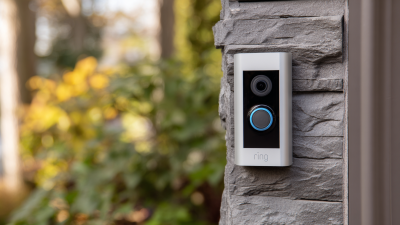
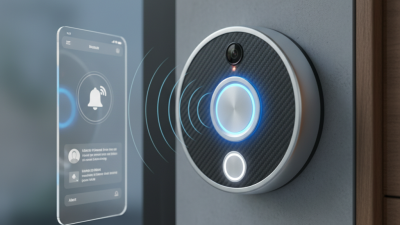
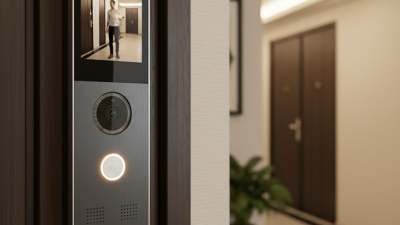
A video doorbell is a modern security device designed to enhance home safety. It allows homeowners to see and communicate with visitors at their door through their smartphone or tablet. This device typically includes a built-in camera, microphone, and speaker. When someone presses the doorbell, the homeowner receives a notification. The live video feed enables a real-time view of the visitor.
Installation is often straightforward, but it's essential to ensure a stable Wi-Fi connection. Some models may require wiring, which can complicate the setup. Users should consider the quality of the video and audio. Poor quality can lead to missed messages or unrecognized visitors. Battery-powered versions offer flexibility but require regular charging. As technology evolves, more features, like motion detection, are becoming common.
Privacy concerns are valid when using such devices. Homeowners should be mindful of their neighbors' privacy. Recording footage without consent may lead to ethical dilemmas. It's crucial to have clear policies about data storage and access. Users are encouraged to think critically about how these devices fit into their daily lives and the potential implications of their use.
Key Features of Video Doorbells
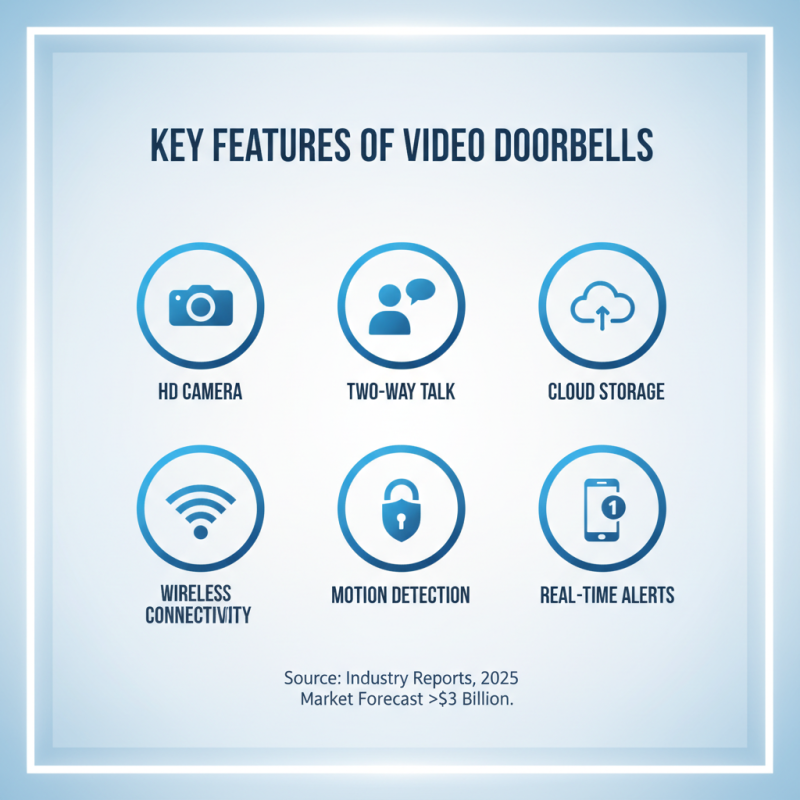
Video doorbells are gaining popularity among homeowners. They provide a combination of security and convenience. Industry reports suggest that the video doorbell market will exceed $3 billion by 2025. Key features of these devices enhance their functionality and user experience.
One significant feature is real-time video streaming. Most devices offer HD video feeds, allowing homeowners to monitor their entries remotely. Motion detection is another critical element. This feature alerts users when someone approaches their door, adding an extra layer of security. Furthermore, two-way audio enables direct communication with visitors, helping to identify or deter potential threats.
Tips for choosing a video doorbell include checking the field of view and resolution. Ensure that the device offers enough visibility of the area around your door. Also, consider whether integration with smart home systems is vital. Many users overlook these aspects, which can lead to suboptimal experiences. Selective features may seem appealing, but ensuring compatibility with your home setup is equally important.
How Video Doorbells Connect to Your Home Network
Video doorbells have gained popularity for their convenience and security features. Understanding their connection to your home network is crucial for optimal performance. Typically, these devices connect over Wi-Fi, using your existing home network. According to a report by Statista, approximately 30% of U.S. households have a smart doorbell, highlighting their growing presence.
When setting up your video doorbell, reliable Wi-Fi is essential. Ideally, your router should be within 30 feet of the doorbell. Walls and other obstructions can weaken the signal. A weak connection may lead to delayed alerts or low-quality video feeds. If coverage is an issue, consider using Wi-Fi extenders to enhance your network.
Tips: Always secure your network. Change default passwords to prevent unauthorized access. Regular updates ensure your device remains free from vulnerabilities. Also, check your network's bandwidth before installation; insufficient speed can hamper video quality. Streaming high-definition video requires at least 2 Mbps upload speed.
In 2023, reports noted that improper connectivity impacted 15% of video doorbell users. Such issues often arise during initial setup or placement. It is essential to troubleshoot connectivity early on to avoid frustration later. A reliable internet connection greatly enhances the benefits of installing a video doorbell.
The Technology Behind Video Doorbell Functionality
Video doorbells are becoming increasingly common in modern homes. Their technology combines a camera, microphone, and speaker to enhance security. This allows homeowners to see and communicate with visitors without opening the door. An essential component of these devices is the motion sensor, which alerts users when someone approaches their door.
The primary technology at work is a high-definition camera. Typically, it captures video in a wide angle, providing a clear view of the surroundings. Many devices use infrared night vision for enhanced performance in low light. Users can access live feeds through a smartphone application. This connectivity is made possible through Wi-Fi, creating a real-time connection to the home.
Despite their benefits, there are potential drawbacks. Privacy concerns arise when neighbors can see video footage. Additionally, some users may experience technical issues, such as connectivity problems. Understanding how video doorbells work can help users make informed decisions. The technology is impressive, yet it’s crucial to consider the necessity of privacy and reliability in usage.
Benefits of Using a Video Doorbell for Home Security
A video doorbell enhances home security significantly. It combines audio and video capabilities, allowing homeowners to see and communicate with visitors remotely. This technology provides peace of mind, especially when you are away from home. Many people appreciate being able to confirm a package delivery without having to open the door.
One notable benefit of a video doorbell is its ability to deter intruders. The presence of a camera can discourage suspicious activity. Many devices include motion detection alerts, notifying homeowners of any unusual movement. This instant notification can be crucial. However, occasional false alarms may cause frustration. It is important to adjust the sensitivity settings for best results.
Another advantage is surveillance footage. In the unfortunate case of a break-in, having recorded evidence can assist law enforcement. This footage is often saved securely in the cloud. Nevertheless, concerns about privacy arise. It's essential to be mindful of where cameras are installed. Balancing security with privacy is a challenge many face. Ultimately, evaluating the features and considering their impact on your surroundings is crucial.
Video Doorbell Benefits Overview