Top 10 Interphone With Camera Features You Need to Know?
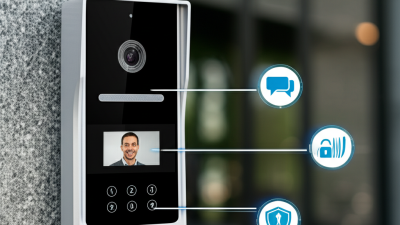
In today's fast-paced world, security and communication are more essential than ever. An "Interphone With Camera" can provide a seamless way to connect with visitors while ensuring safety. It combines the features of intercom systems with advanced camera technology for added surveillance.
Choosing the right interphone requires careful consideration of its features. Look for high-resolution cameras for clear images. Night vision capabilities are also crucial for monitoring after dark. Some models offer two-way communication, allowing a conversation without opening the door. Features like motion detection can provide alerts for unexpected visitors, but be aware that reliance on technology can sometimes lead to false alarms.
Not every interphone system is perfect. Users may face connectivity issues or complicated setups. Understanding your specific needs is key to finding the best interphone with camera features for your home. Make sure to weigh the pros and cons of each option. This balance between convenience and security is vital in making the right choice for your peace of mind.
Key Features of Interphones with Camera Technology
Interphones with camera technology are becoming essential for home security. Their key features significantly enhance safety and convenience. The integration of video capability allows users to see who is at the door. A report by Statista shows that the smart home market will reach $174 billion by 2025, reflecting a growing demand for these devices.
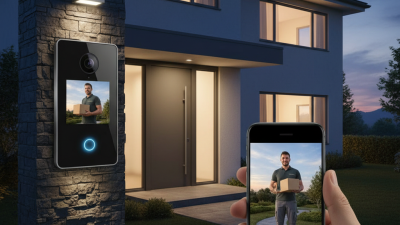
One important feature is the real-time video streaming. Users can monitor their entrance remotely using smartphones. This feature is crucial for those who travel often or have long work hours. Image resolution also matters. Higher resolution provides clearer images, making it easier to identify visitors and deter potential intruders.
Tip: Consider interphones with night vision capability. This ensures safety even in low-light conditions. Another feature to look for is two-way audio. It allows communication without opening the door. Some users, however, may find the installation process complicated. Reviewing user experiences can provide valuable insights before making a purchase.
Importance of Video Quality in Interphone Cameras
Video quality plays a crucial role in interphone cameras. High-definition resolution is essential for clear images. A recent industry report highlighted that over 70% of users prioritize video clarity. Without good quality, identifying visitors can be challenging. Low-res images can lead to missed security risks.
Moreover, poor lighting conditions can affect video performance significantly. Many interphone cameras struggle in low light. This can make monitoring difficult during night hours. Reports indicate that 40% of incidents occur when visibility is low. It's vital to choose interphones with night vision capabilities. Otherwise, you may face gaps in security coverage.
Furthermore, user experience is impacted by video lag. Delays create frustration during communication. According to studies, 60% of users expect seamless real-time footage. If the video is choppy, it may lead to misunderstandings. Clear, responsive video is non-negotiable for effective interaction. Always assess the technology behind these features before making a choice.
User-friendly Interfaces: Navigating Interphone Features
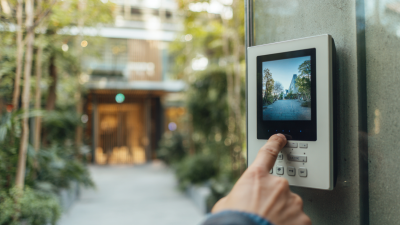
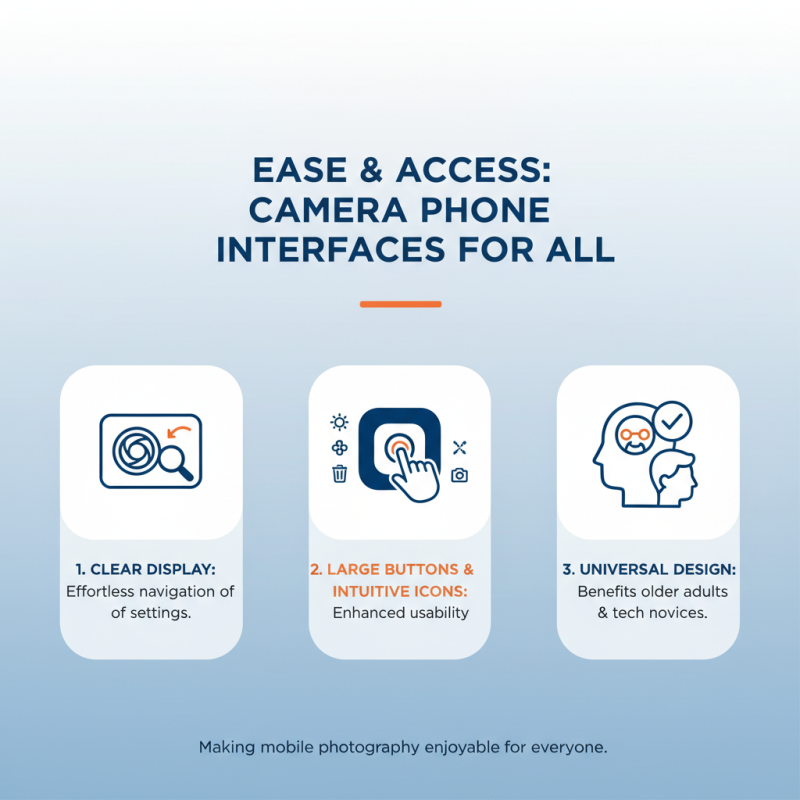
User-friendly interfaces are crucial for interphones with camera features. A clear display allows users to navigate settings easily. Large buttons and intuitive icons enhance usability for everyone. These design choices make a significant difference, especially for older adults or those unfamiliar with technology.
Imagine stepping inside your home and quickly accessing the camera feed with a tap. That convenience can help you feel secure. However, some devices still have complex menus that require multiple clicks to function. Users often feel frustrated when devices don’t respond as they expect. It’s essential for manufacturers to listen to user feedback and simplify these processes.
Integration with smartphones adds another layer of ease. Many interphones can sync with mobile apps now. Notifications pop up on your phone when someone rings the doorbell. However, app functionality can sometimes lag behind. A seamless experience should be the goal, and there is still room for improvement. Overall, balancing innovative features with an intuitive interface is key to enhancing user experience.
Security Benefits of Interphone Systems with Cameras
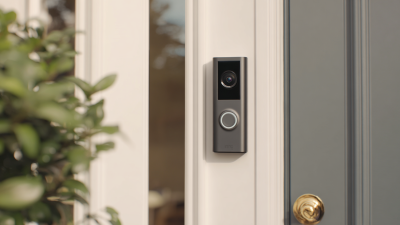
Interphone systems with cameras significantly enhance security in residential and commercial properties. The ability to see who is at the door before opening provides peace of mind. Visual verification can deter potential intruders. Many systems offer night vision, allowing users to monitor their property in low-light conditions. This feature becomes essential for late-night deliveries or unexpected visitors.
Moreover, interphone cameras can record footage, which serves as valuable evidence. In case of suspicious activity, you have a record to provide to authorities. Some systems allow remote access through smartphones. You can monitor your property from anywhere, which adds another layer of security.
However, reliance on technology can have drawbacks. Systems may fail due to power outages, or connectivity issues might arise. The installation of these devices should be approached with care. Poor placement can lead to blind spots. Additionally, privacy concerns exist, as cameras monitoring common areas might intrude on personal privacy.
Users should consider these factors carefully before investing in interphone systems with cameras. Finding a balance between security and privacy is crucial. Remember, a well-secured home is a thoughtful process, not just a purchased solution.
Connectivity Options for Modern Interphone Devices
In today’s interconnected world, interphones with camera features are becoming essential. Modern interphone devices offer various connectivity options, enhancing their functionality. Wireless connections via Wi-Fi or Bluetooth are common. They allow seamless integration with smartphones and other smart devices. According to a recent industry report, over 50% of users prefer wireless options for convenience.
Tips: Ensure your Wi-Fi signal is strong where you install the interphone. Weak signals can lead to poor video quality.
Moreover, some interphones support Ethernet connections, ensuring a stable link. This option is ideal for areas with frequent interference. A study by TechInsights shows that devices with multiple connectivity options have a 30% higher user satisfaction rate. Users value flexibility and reliability in their devices.
Tips: Regularly check for firmware updates. This can improve performance and security, making your interphone more effective.
As technology advances, interphone devices will evolve. Features like cloud storage and app integrations will become standard. Users need to adapt to these changes. Sometimes, current systems can be slow to respond or fail to connect, creating frustration. Choosing the right connectivity method requires careful thought.