How to Choose the Best Video Door Phone Systems?
As urban living continues to grow, security concerns remain paramount for homeowners. Video Door Phone Systems have emerged as a popular solution, providing a convenient way to monitor visitors. According to a recent industry report by market research firm Statista, the global market for video doorbells is expected to reach $3 billion by 2025. This remarkable growth highlights the rising demand for enhanced home security technologies.
Expert Thomas H. Greene, a renowned security systems consultant, emphasizes the importance of this technology, stating, "Video Door Phone Systems offer not only security but also peace of mind." However, choosing the best system can be overwhelming. With numerous options available, consumers often find themselves confused by the features and specifications. Many fall into the trap of prioritizing price over quality, risking their home’s security.
When selecting a system, it's crucial to consider various factors. These include video quality, connectivity, and ease of use. Even the best products can have flaws. Research reveals that many users overlook installation requirements or compatibility issues. This oversight can lead to significant frustrations. Therefore, careful evaluation and planning are essential before making a final decision on Video Door Phone Systems.
Understanding Video Door Phone Systems and Their Features
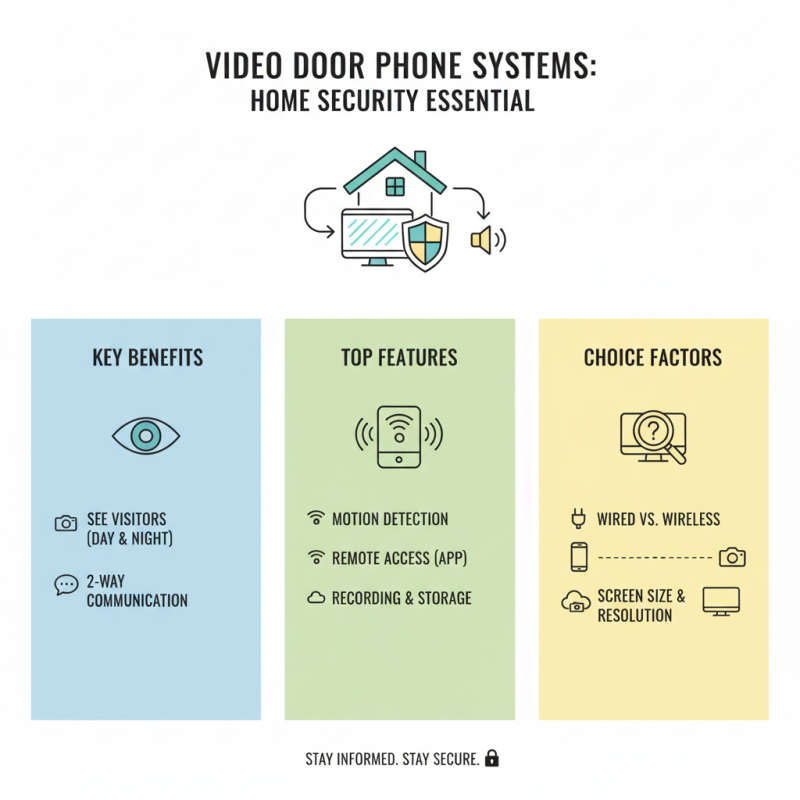
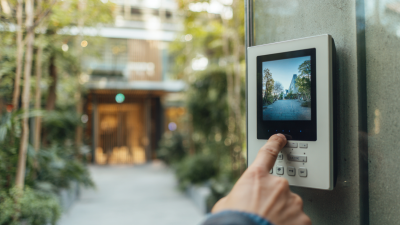
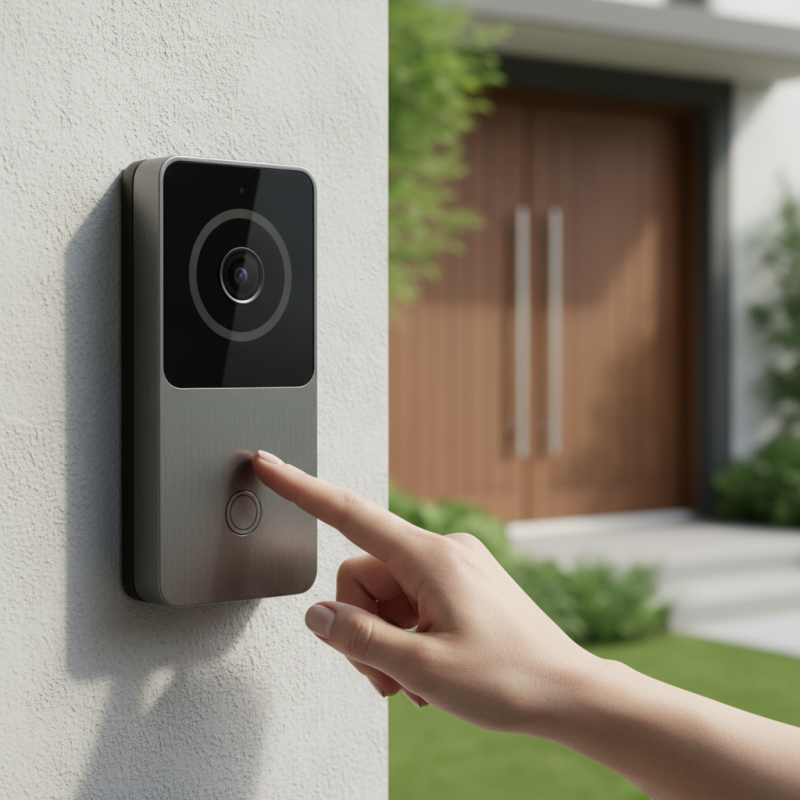
Video door phone systems are becoming essential for home security. These devices let you see and communicate with visitors before opening the door. Understanding their features is crucial to making an informed choice.
Key features to consider include video resolution, connectivity options, and user interface. High-resolution cameras ensure clearer images of your guests. Wi-Fi or wired connections can impact signal reliability. A simple user interface is vital for ease of use, especially in emergencies. Many systems offer motion detection and night vision. These features can enhance security but may require extra setup.
It's important to evaluate your space and needs. The location of the door can affect the camera's visibility. Consider whether you need a dual monitor system for larger homes. Some users find tech setup challenging. A system may have features that seem appealing but aren't practical for your situation. Reflecting on these aspects can help you choose wisely.
Evaluating Video Quality and Audio Clarity in Door Phones
Evaluating the video quality and audio clarity of door phones is essential. A high-definition video feed allows you to see visitors clearly. Look for systems offering at least 720p resolution. This clarity helps distinguish details, like facial features. However, remember that some models may promise high resolution but deliver less.
Audio clarity is equally important. You want to hear your visitor without distortion. Check for noise-cancellation features. This can make a big difference in busy environments. Sometimes, even systems with good video struggle with audio. It’s wise to test the device before purchasing.
**Tips:** Always check online reviews. They can reveal shortcomings. Consider your installation environment too. If it's noisy outside, select a system known for clear audio. Test both video and audio quality before committing. Don't settle for less just because it’s affordable. Sometimes, spending a bit more pays off in the long run.
How to Choose the Best Video Door Phone Systems? - Evaluating Video Quality and Audio Clarity in Door Phones
| Feature |
Description |
Evaluation Criteria |
Rating (1-5) |
| Video Quality |
Resolution, frame rate, and color reproduction. |
1080p or higher, smooth frame rate, accurate colors. |
4 |
| Audio Clarity |
Noise cancellation and speech clarity. |
Clear audio, minimal background noise. |
5 |
| Night Vision |
Ability to record and view in low-light conditions. |
Infrared capability, clear visibility. |
4 |
| Connectivity |
Wired or wireless connections, ease of installation. |
Stable connection, easy setup. |
3 |
| Smart Features |
Integration with smart home systems and apps. |
Mobile app access, intercom capabilities. |
5 |
Assessing Connectivity Options: Wired vs. Wireless Video Door Phones
When choosing a video door phone system, connectivity options are crucial. Wired and wireless systems each have their pros and cons. According to the Security Industry Association, around 70% of homeowners prefer wireless options for their ease of installation. Wireless systems require no drilling, making them less invasive. However, they may suffer from connectivity issues if the Wi-Fi signal is weak.
On the other hand, wired systems provide more reliable connections. They typically offer higher video quality and are less prone to interference. A study by the Consumer Technology Association found that 65% of users reported fewer issues with wired models. However, the installation can be complex, requiring professional assistance.
Tip: Consider your home’s structure before making a choice. Older homes may benefit from wired systems due to stability. Modern homes can thrive with wireless options for convenience. Think about your long-term needs. A wired system may have better longevity, while wireless might be more flexible. Remember, each option has its unique challenges. Reflect on how these will fit into your lifestyle.
Examining Additional Features: Smart Home Integration and Security Measures
When choosing a video door phone system, consider smart home integration. Many systems today offer compatibility with popular smart home devices. According to a recent industry report, over 55% of homeowners want systems that easily connect with their existing setups. This integration enhances convenience but can create confusion. With numerous ecosystems available, choosing the right one may become challenging.
Security measures are also crucial. A study shows that 68% of home invasions occur through unsecured entries. Many video door phones now include advanced features such as motion detection alerts and cloud storage for footage. However, not all systems provide robust encryption for data protection. Homeowners should carefully assess these features, as overlooking them could lead to potential vulnerabilities.
While technical specifications matter, usability is key. A system might boast excellent features, but if the interface is complicated, it loses its effectiveness. It’s essential to balance advanced capabilities with user-friendliness. Some users might struggle to adapt to new technology, which can lead to frustration rather than security. Investing time in research is vital to ensure a suitable choice that meets both safety and convenience needs.
Cost Considerations and Budgeting for Your Video Door Phone System
When selecting a video door phone system, cost is a critical factor. Research indicates that the average price for a good quality system ranges from $150 to $800. This wide range reflects various features and functionalities. Basic models might offer essential video and audio features, while high-end options can include cloud storage and advanced smart home integration.
Budgeting for your video door phone system should take installation costs into account. Professional installation fees can add $100 to $300. Additionally, consider ongoing costs, such as monthly subscription fees for cloud services. Approximately 45% of homeowners overlook these recurring expenses.
Research shows that high-quality systems often result in lower long-term costs. A durable product may require fewer replacements or repairs, which can save money over time. However, it is important to balance cost and features. Spending less might lead to reliability issues. Investing more upfront might provide better security.
Cost Considerations for Video Door Phone Systems