How to Choose the Best Intercom System for Your Home and Business Needs
Selecting the right intercom system is crucial for enhancing communication in both homes and businesses. With technology advancing rapidly, the options available on the market are diverse, making the decision process somewhat overwhelming. Among these choices, the Bellissimo Intercom stands out as a compelling option due to its blend of style, functionality, and reliability. Understanding your specific needs and evaluating the features of different systems can significantly impact your overall satisfaction and effectiveness in communication.
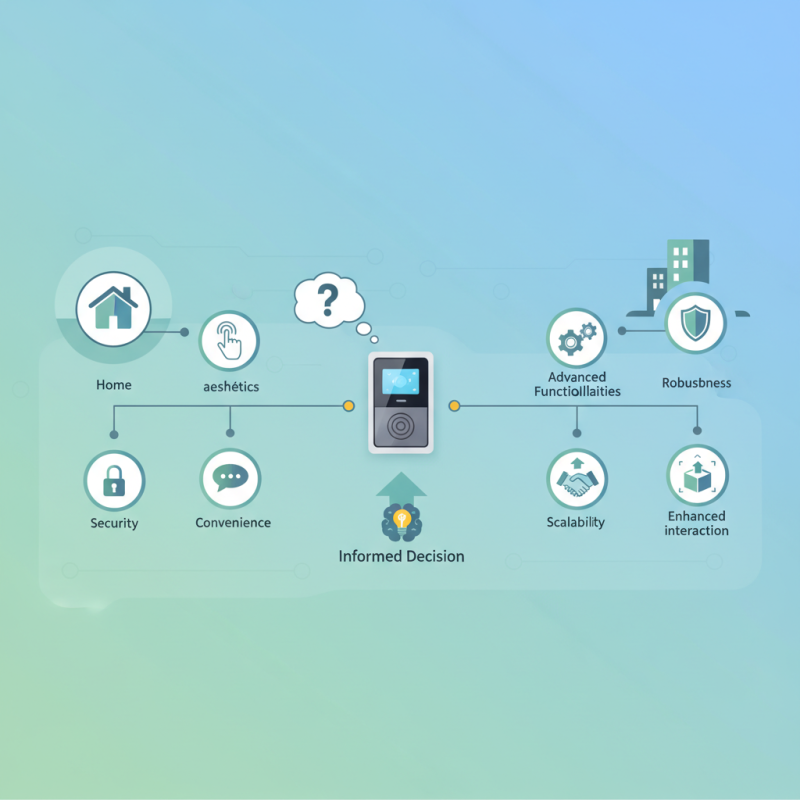
To begin with, consider whether your requirements lean more towards home use, where ease of use and aesthetics might be key factors, or business needs that may prioritize advanced functionalities and robustness. Additionally, it is essential to look into the scalability of the system, especially for businesses that might expand over time. The insights gained from evaluating your needs can guide you to select a system that not only meets your current requirements but also adapts to future changes, ensuring that your investment remains valuable.
In this guide, we will delve into the essential factors to consider when choosing the best intercom system for your needs, highlighting features that can enhance security, convenience, and interaction. By the end of this exploration, you will have the knowledge to make an informed decision, ensuring seamless communication in your daily life, whether at home or in the workplace.
Understanding Intercom Systems: Types and Features
When choosing an intercom system for your home or business, it's important to understand the various types and features available to ensure you select the best solution for your needs. Primarily, intercom systems can be categorized into wired and wireless models. Wired systems often provide a more stable connection and require professional installation, while wireless systems offer flexibility and easier installation, which is especially beneficial for temporary setups or rented spaces. According to a recent industry report, the global intercom systems market is projected to reach $2.8 billion by 2028, indicating a growing demand for advanced communication technologies.
In terms of features, modern intercom systems come equipped with video capabilities, mobile app integration, and smart home compatibility. Video intercoms allow users to visually identify visitors, which enhances security, while mobile integrations enable remote access, letting you interact with visitors from anywhere. A study by the Consumer Technology Association revealed that 63% of homeowners prioritize security features when selecting smart home technology, indicating that incorporating a reliable intercom system can significantly enhance your overall safety.
Tips: When selecting an intercom system, consider your specific communication needs – do you require video capabilities or only audio? Assess the size of your property, as larger areas may require multiple units for effective coverage. Additionally, think about the future: opt for systems that offer scalability and can accommodate additional features or units as your needs grow.
Assessing Your Communication Needs for Home and Business
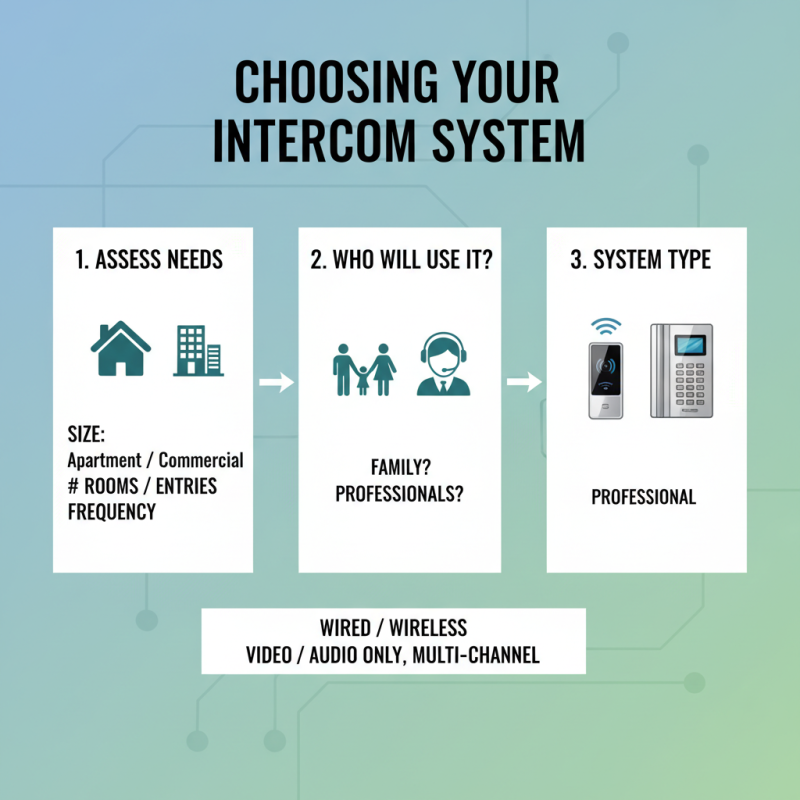
When choosing an intercom system for your home or business, the first step is to assess your specific communication needs. Consider the size of the area you need to cover—whether it's a small apartment or a larger commercial space. Think about the number of rooms or entry points that require communication, as well as the frequency of use. Identifying who will be using the system can also help; for instance, a system tailored for family communication will differ significantly from one designed for professional environments.
**Tips:** Start by mapping out your space and identifying key communication points. This visual guide will assist you in determining placement for the intercom units, ensuring optimal coverage and efficiency.
Additionally, consider the specific features you require. Do you need video capabilities, or is audio sufficient? Would a wireless option make installation easier, or is a wired solution more suitable for your environment? Depending on your needs, features like smartphone integration or inter-system connectivity might be valuable additions to enhance your overall communication strategy.
**Tips:** Create a list of must-have features versus nice-to-have ones. Prioritizing your requirements will simplify your decision-making process and help you find a system that meets your expectations without unnecessary complexity.
Key Factors to Consider When Choosing an Intercom System
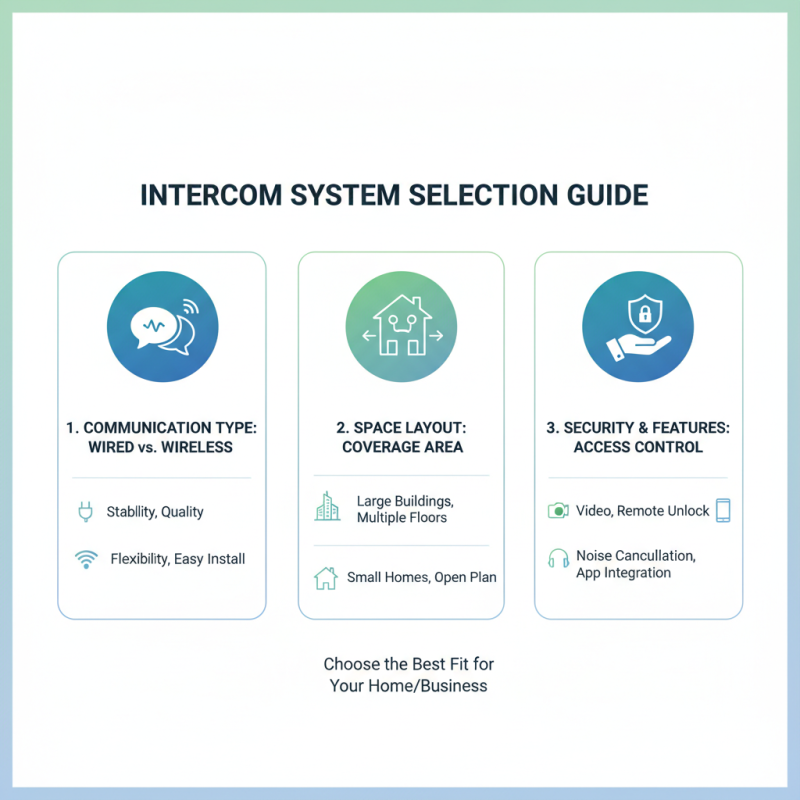
When selecting an intercom system for your home or business, several key factors should be taken into account to ensure that you choose the best option for your specific needs. First and foremost, consider the type of communication you require. Intercom systems can be classified into wired and wireless options; wired systems typically offer more stability and sound quality, while wireless systems are more flexible and easier to install. Assessing the layout of your space can help determine which type will be most effective in providing seamless communication.
Another important factor is the range of features available in the intercom system. Different systems may offer video capability, two-way communication, or integration with smart home devices. Consider how these features align with your requirements. For instance, if you are using the intercom system for security purposes, a video intercom can enhance safety by allowing you to see visitors before granting access. Additionally, ease of use and installation should not be overlooked; choose a system that fits your technical comfort level and can be set up without significant complications.
Evaluating Installation Options: Wired vs. Wireless Systems
When choosing an intercom system for your home or business, one of the key considerations is the installation method: wired versus wireless. Wired systems are known for their reliability and consistent performance. These systems typically involve running cables throughout the building, which can be beneficial for those who prioritize long-term stability and audio quality. They are less susceptible to interference, making them ideal for environments where a lot of electronic devices are in use. However, the installation process can be disruptive and may require professional assistance, especially in larger properties.
On the other hand, wireless intercom systems offer flexibility and ease of installation, making them particularly appealing for homeowners and small businesses. They can be set up quickly without the need for extensive wiring, allowing users to relocate devices easily as their needs change. Wireless systems often come with features such as mobile app integration, which enhances user convenience. However, they may experience connectivity issues or signal interference, especially in densely populated areas or locations with many obstacles. Ultimately, the choice between wired and wireless will depend on specific needs, budget, and the physical layout of the location where the intercom system will be installed.
Budgeting for Your Intercom System: Costs and Long-Term Value
When budgeting for your intercom system, it's essential to consider both the initial costs and the long-term value. The price range for intercom systems can vary significantly based on features, technology, and whether the system is wired or wireless.
Basic systems might be budget-friendly, but they often lack advanced functionalities such as video support or smartphone connectivity. Investing in a more sophisticated unit might lead to increased usability and peace of mind over time as your needs evolve.
In addition to upfront expenses, one should evaluate maintenance and operating costs. Some modern intercom systems require subscriptions for cloud services or additional features, which could add to your long-term budget. Assessing the potential for future upgrades is also crucial; a system that can easily integrate new technologies will provide greater convenience and longevity. By thoughtfully balancing initial investments with future requirements, you can ensure your intercom system not only fits your current budget but also adds lasting value to your home or business environment.