How to Choose the Best Video Intercom System for Your Home
In today's security-conscious environment, choosing the right Video Intercom system has become crucial for homeowners. According to a recent report by MarketsandMarkets, the video intercom market is projected to grow from $3.0 billion in 2022 to $5.4 billion by 2027, indicating a rising demand. This indicates homeowners are prioritizing safety and convenience.
A Video Intercom system enhances security by allowing residents to verify visitors before granting access. Features such as high-definition cameras, two-way audio, and smartphone connectivity have made these systems increasingly popular. However, selecting the best one is not always straightforward. Homeowners must evaluate their needs, budget, and the technical specifications of various systems.
There is no one-size-fits-all solution. It's vital to consider factors like installation difficulty, additional features, and long-term usability. Some may overlook these aspects, leading to frustration later. A thoughtful approach ensures you invest in a reliable system that truly meets your security demands.
Factors to Consider When Choosing a Video Intercom System
Choosing the right video intercom system for your home can be challenging. Start by considering the size of your property. A larger home may need multiple cameras and stations. Think about where you want to install the system. Some people prefer outside entrances, while others want internal rooms covered. Evaluate the field of view each camera offers. You want clear visuals of anyone at your door.
Next, think about the technology used. Wired systems are often more reliable but can be challenging to install. Wireless systems offer flexibility but may face connection issues. Look for features such as night vision and motion detection. These can enhance your security. Additionally, check for audio quality. Clear communication is vital for safety.
Lastly, consider user-friendliness and integration with other smart home devices. Some systems may not be intuitive. Research installation requirements before making a decision. Think about your family's needs too. Ensure everyone can operate the system seamlessly. A good video intercom system adds security, but not all systems are equal. Take your time to evaluate your options.
Types of Video Intercom Systems: Wired vs. Wireless Options
When selecting a video intercom system, understanding the two main types—wired and wireless—is crucial. Wired systems utilize physical connections, ensuring stability and reliability. These systems often provide higher video quality and eliminate concerns about battery life. An electrician may be needed for installation, leading to additional costs. However, once set up, they demand less maintenance and offer longer-term performance.
On the other hand, wireless intercom systems offer flexibility and easier installation. They can be installed without complex wiring, making them ideal for renters. However, improvements in technology have led to some connectivity issues. Signal interference can disrupt video quality. Furthermore, these systems are often dependent on Wi-Fi, raising concerns about privacy and data security. Choosing the right type requires evaluating your living space and needs carefully. Weighing convenience against reliability is vital.
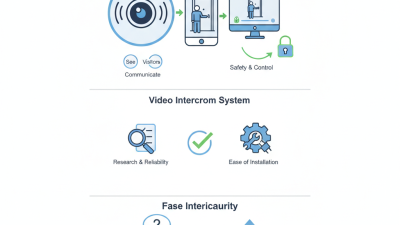
Comparison of Wired vs. Wireless Video Intercom Systems
Key Features to Look for in a Home Video Intercom System
When choosing a video intercom system, several key features can enhance your home's security and convenience. A reliable video intercom system should offer high-resolution video quality. Research shows that 1080p is often the standard for clear images. This clarity allows homeowners to identify visitors easily, reducing the risk of unauthorized access.
Another important aspect is the communication range. Many systems provide wireless connectivity, which can be useful in larger homes. Options that support both Wi-Fi and a dedicated app often allow for remote monitoring. A report from the International Security Management Association indicates that 75% of homeowners prefer systems they can control from their smartphones. Integration with smart home devices adds a layer of convenience that can't be overlooked.
However, many systems skimp on user-friendly interfaces. This can lead to frustration. If the device is too complicated, users may hesitate to utilize all its features. Check for systems that provide a straightforward setup process and intuitive controls. Additionally, consider the device's durability. Is it weatherproof? Systems exposed to harsh conditions often have higher failure rates. Balancing quality and features with user experience is essential when making a choice.
Understanding the Installation Process for Video Intercoms
Installing a video intercom system in your home can enhance security and convenience. However, the installation process can be intricate. It typically involves a thorough assessment of your home's layout. This evaluation helps in determining the best locations for the interior and exterior units. According to a 2022 report by the Security Industry Association, nearly 70% of homeowners value clear visual communication with visitors. Thus, position the camera at eye level for optimal visibility.
The wiring of the system is another critical consideration. Many systems require running cables through walls, which can be tedious. The National Electrical Contractors Association suggests hiring professionals for complex installations. They can guarantee safety and compliance with local codes. A DIY approach might result in errors that compromise functionality. In fact, around 25% of installations fail due to improper wiring, as highlighted in a recent market analysis.
Ensure you consider power supply needs for each unit. Some systems are battery-operated, while others need a continuous power source. Assess your energy requirements carefully to avoid disappointments later. Remember, the best systems offer reliable performance and seamless integration into your home. Think about future expansion as well, especially if you plan to add more units later. This foresight can save you time and money down the road.
How to Choose the Best Video Intercom System for Your Home - Understanding the Installation Process for Video Intercoms
| Feature |
Importance Rating (1-5) |
Installation Complexity (1-5) |
Average Price ($) |
| Video Quality |
5 |
3 |
200 |
| Connectivity (Wi-Fi/Wired) |
4 |
2 |
150 |
| Two-way Communication |
5 |
2 |
250 |
| Smartphone Integration |
4 |
4 |
300 |
| Night Vision |
4 |
3 |
180 |
| Durability |
5 |
3 |
220 |
The Role of Video Quality and Connectivity in Intercom Performance
When selecting a video intercom system, two crucial factors must be considered: video quality and connectivity. A high-definition camera can significantly impact your ability to identify visitors.
Studies indicate that systems with HD resolution (1080p) allow for better facial recognition, improving security. According to a recent report by the Security Industry Association, 75% of homeowners prioritize video quality in their purchasing decisions.
Connectivity also plays a vital role in intercom performance. Many modern systems utilize Wi-Fi, which offers flexibility but can lead to lag during peak hours. A wired connection may provide more stability, though it requires additional installation. Research from the International Engineering Consortium found that 43% of users experience connectivity issues with wireless systems, highlighting the need for reliable performance.
Tip: Consider your home's layout when choosing a connectivity option. If your home has thick walls, a wired intercom might be more effective.
Users often overlook how environmental factors affect performance. Exposure to sunlight, distance from routers, and obstructions can degrade video quality. Some systems may not perform well in low light, raising concerns during evening hours. Assess your environment and any challenges it may pose before making a decision.