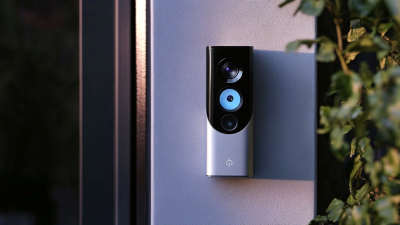
In today's fast-paced world, security is paramount. An IP Door Entry System offers advanced protection for homes and businesses alike. This technology blends convenience and security, creating an efficient access solution. The system utilizes internet protocol to control entry points, allowing users to manage access remotely. With features like video surveillance and mobile alerts, it enhances awareness and control.
Installing an IP Door Entry System can streamline operations. For businesses, it can simplify employee access and visitor management. However, some users may find the initial setup challenging. Understanding the technical aspects is crucial for maximizing benefits. Despite these hurdles, many users appreciate the long-term advantages.
Investing in an IP Door Entry System is a decision that can greatly improve security. It adds layers of protection, which traditional systems might lack. Overall, it embodies modern security solutions that cater to contemporary needs. Understanding its benefits can transform your approach to safety.
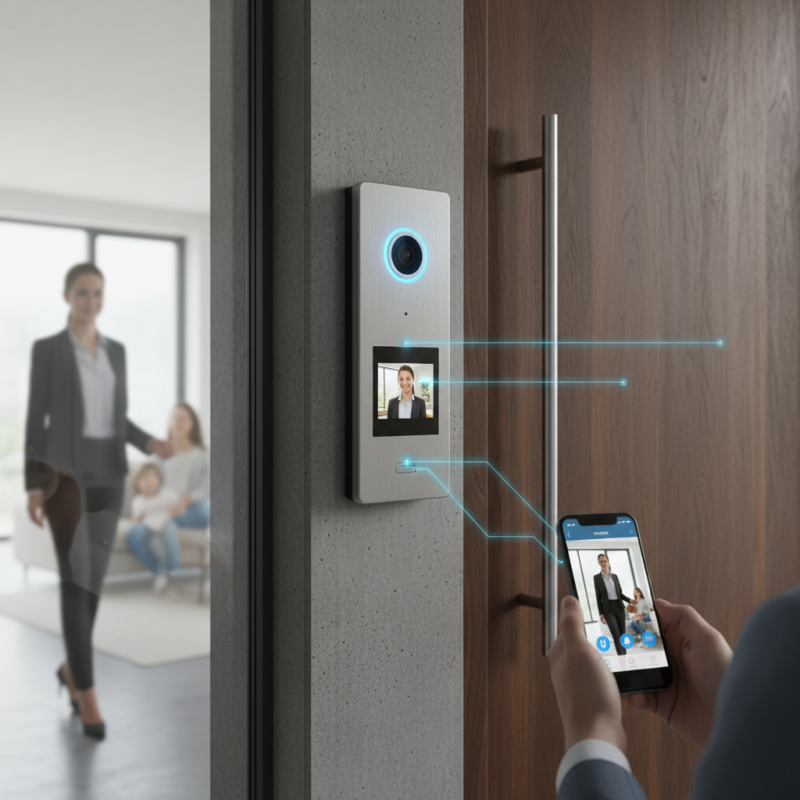
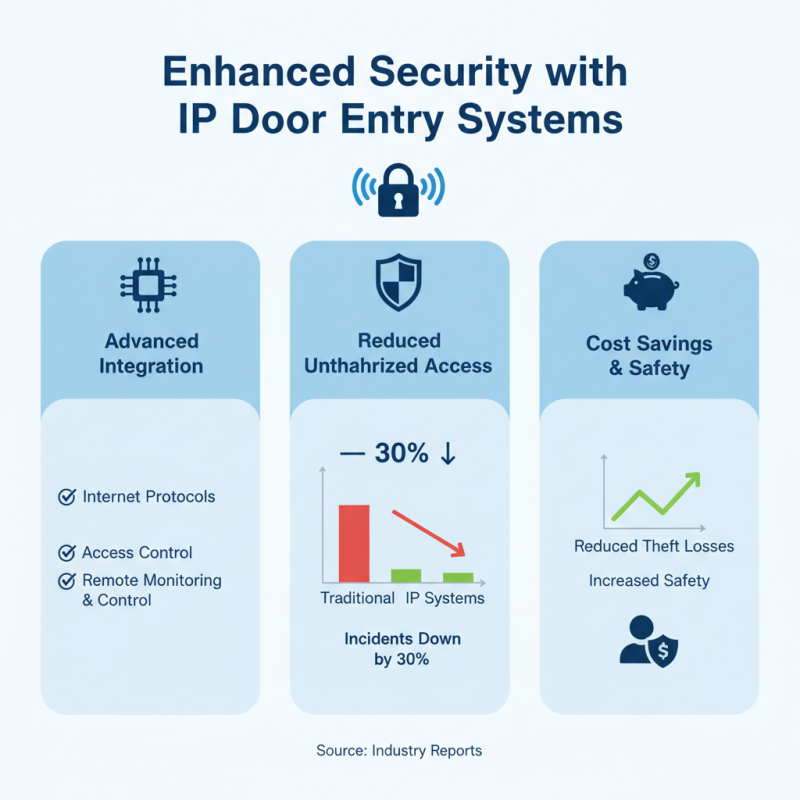
IP door entry systems revolutionize security by integrating advanced technology with access controls. These systems use internet protocols to connect door entry points, allowing for remote monitoring and control. According to industry reports, properties equipped with IP door entry systems experience up to a 30% reduction in unauthorized access incidents. This enhancement translates to substantial savings in theft-related losses.
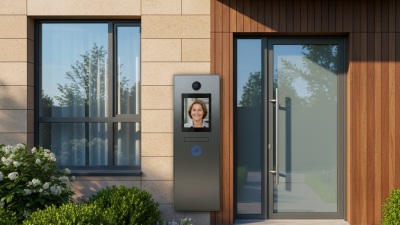
When enhancing security, real-time video surveillance is crucial. Many IP door entry systems include high-definition cameras that capture clear visuals. A study indicated that properties with video capabilities deter up to 60% of potential intruders. In high-traffic areas, the ability to visually verify visitors increases accountability and security.
**Tip:** Regularly update software to guard against vulnerabilities. Neglecting updates can expose systems to cyber threats. Additionally, ensure access logs are monitored for unusual activity. This simple practice can significantly boost security measures and remove blind spots that intruders may exploit.
Security technology can seem overwhelming. Take small steps. Start with a basic IP entry system and gradually incorporate more features. Understanding your specific security needs leads to a more tailored solution.

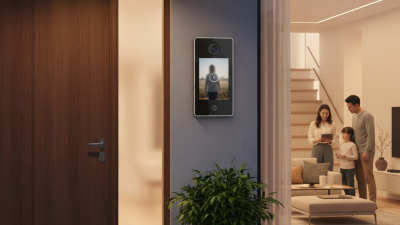
IP door entry systems have revolutionized access control, especially in remote scenarios. Utilizing IP technologies allows individuals to manage entry points from virtually anywhere. Imagine receiving a notification on your smartphone when someone approaches your front door. You can see them in real-time through an integrated camera. This feature enhances both security and convenience.
Remote access extends beyond merely monitoring. Users can grant entry to trusted guests while unable to be physically present. For instance, you can unlock the door for a delivery without leaving your meeting. The ability to control access remotely fosters a sense of safety. Yet, reliance on technology can also bring concerns about vulnerabilities. Are these systems susceptible to hacking? Users must ensure consistent software updates. They need to choose strong passwords and be aware of their digital footprint.
Despite the conveniences, challenges exist. Not all IP systems offer a seamless user experience. Poor connectivity can lead to delays and frustrations. Furthermore, enhancing home security relies on user knowledge and sound setups. Understanding how the technology works is vital. It empowers users to maximize the benefits while minimizing risks. Being proactive can significantly improve security and access management.
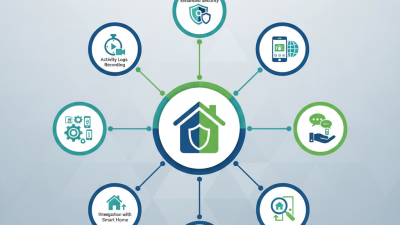
An IP door entry system can seamlessly integrate with smart home and business automation systems. This integration enhances security and convenience. You can manage access remotely using a smartphone or computer. For instance, you can unlock your door for guests from anywhere. Imagine being able to grant access to a delivery person while you are not at home.
Moreover, when connected to a smart home system, an IP door entry system allows for automated routines. You can set your door to lock automatically when you leave. Motion sensors can trigger alerts, notifying you about visitors. This reduces the risk of unauthorized entry. Yet, there can be moments when these systems fail, like a power outage or connectivity issues. It’s crucial to have a backup plan, such as traditional keys.
In business settings, IP door systems improve efficiency. They can log employee entries and exits. This data helps optimize staffing and security protocols. However, challenges can arise, such as user errors in access permissions. Regular training and updates are necessary to maintain security standards. Balancing technology with user habits is essential for effective implementation.
IP door entry systems offer significant cost-effectiveness and scalability. One major advantage is reduced installation costs. Traditional systems often require extensive wiring. In contrast, IP solutions use existing network infrastructure. This can save both time and money.
Scaling an IP door entry system is straightforward. Adding new entry points or upgrading existing ones can be done easily. Organizations can expand without major overhauls. This flexibility is crucial, especially for growing businesses. However, planning is essential. Mismanagement may lead to increased complications.
Beyond cost, user experience matters. IP door systems provide remote access features. However, occasional technical challenges can arise. Users may struggle with connectivity issues. Continuous improvement is vital for maintaining reliability in user experience. Prioritizing training and support ensures the system works effectively.
| Benefit | Description | Cost-Effectiveness | Scalability |
|---|---|---|---|
| Enhanced Security | Provides advanced encryption and authentication methods. | Reduces the need for physical security personnel. | Easily add more entry points as the company grows. |
| Remote Access | Allows control of entry points from anywhere via mobile app. | Minimizes travel and operational costs for on-site management. | Easily expand access to new locations without hardware changes. |
| Integration with Other Systems | Works seamlessly with video surveillance and alarm systems. | Consolidates multiple systems, reducing maintenance costs. | Integrate easily with existing infrastructure as needed. |
| Audit Trails | Tracks entry and exit times of users for security audits. | Reduces the costs associated with loss and theft. | Can easily scale data storage with cloud solutions. |
| Customization | Allows tailored access levels for different users. | Saves costs by reducing unnecessary access privileges. | Easily adjust configurations and access rights as needs change. |
| User-Friendly Interfaces | Intuitive interfaces for easy operation by all staff. | Reduces the need for extensive user training sessions. | New users can be onboarded quickly without technical challenges. |
| Real-time Monitoring | Enables live monitoring of entry points through a centralized system. | Helps prevent incidents before they occur, saving costs significantly. | Easily add more cameras and sensors as needed. |
| Cost Savings on Wiring | Uses existing IP networks instead of dedicated wiring. | Reduces installation costs compared to traditional systems. | Flexibility to expand without additional infrastructure costs. |
| Increased Convenience | Streamlines access for employees with smart cards or mobile access. | Minimizes downtime and enhances employee productivity. | Easily accommodate increased staff and visitor flow. |
| Future-Proof Technology | Invests in technology that evolves with advancements in digital security. | Long-term investment that reduces need for frequent upgrades. | Easily adopt new features as they become available. |
IP door entry systems have revolutionized access management in various environments. One of the key advantages is their user-friendly interfaces. These systems often feature intuitive designs that facilitate easy navigation. Users can quickly learn how to operate them with minimal training. This immediate usability is particularly useful in busy facilities.
Management capabilities of IP systems further enhance their appeal. Through central software, administrators can monitor access in real-time. This provides a detailed view of who enters and exits the premises. Such oversight helps in maintaining security protocols. However, integrating these systems can sometimes be challenging. Confusion may arise during installation, leading to delays. Additionally, ensuring that all staff are familiar with the technology requires ongoing training.
Despite some drawbacks, the benefits of IP door entry systems stand out. Their efficient interfaces and comprehensive management features streamline day-to-day operations. Organizations can benefit greatly from reducing manual processes. But adopting new technology always requires careful consideration of the specific needs and training demands of each facility.